Is driving the Great Ocean Road from west to east any less busy? Short answer: yes – it generally is less hectic, even if there’s no nasty reduction in the number of cars. It’s not that there are fewer cars overall; it’s just that you’re going against the grain, getting to the big-ticket spots along the Shipwreck Coast first off and avoiding the traffic jams caused by all those Melbourne-bound convoys.
I’ve run this stretch of road more times than I can count – through the howling gales near Port Campbell, and the twists and turns around Apollo Bay. Whether you’re doing your own Great Ocean Road trip or booking on with one of the many Great Ocean Road tours from Melbourne, the direction you take makes more of a difference than people typically give it credit for. It affects your timing, your stress levels, and just how often you have to put up with some numpty braking every few seconds to take a snap of the Southern Ocean.
Contents
- 1 Why Direction Changes Your Entire Experience
- 2 Where This Direction Makes The Biggest Difference
- 3 When Traffic Still Wins (And You Just Can’t Avoid It)
- 4 West Vs East Driving — Quick Comparison Table
- 5 Practical Route Planning (What Actually Works)
- 6 Logistics, Costs, And What Catches People Out
- 7 Safety Notes From Someone Who’s Seen It All
- 8 A Quick Checklist Before You Hit The Road
- 9 Final Takeaway — The Direction Trick That Actually Works
- 10 FAQ
Why Direction Changes Your Entire Experience
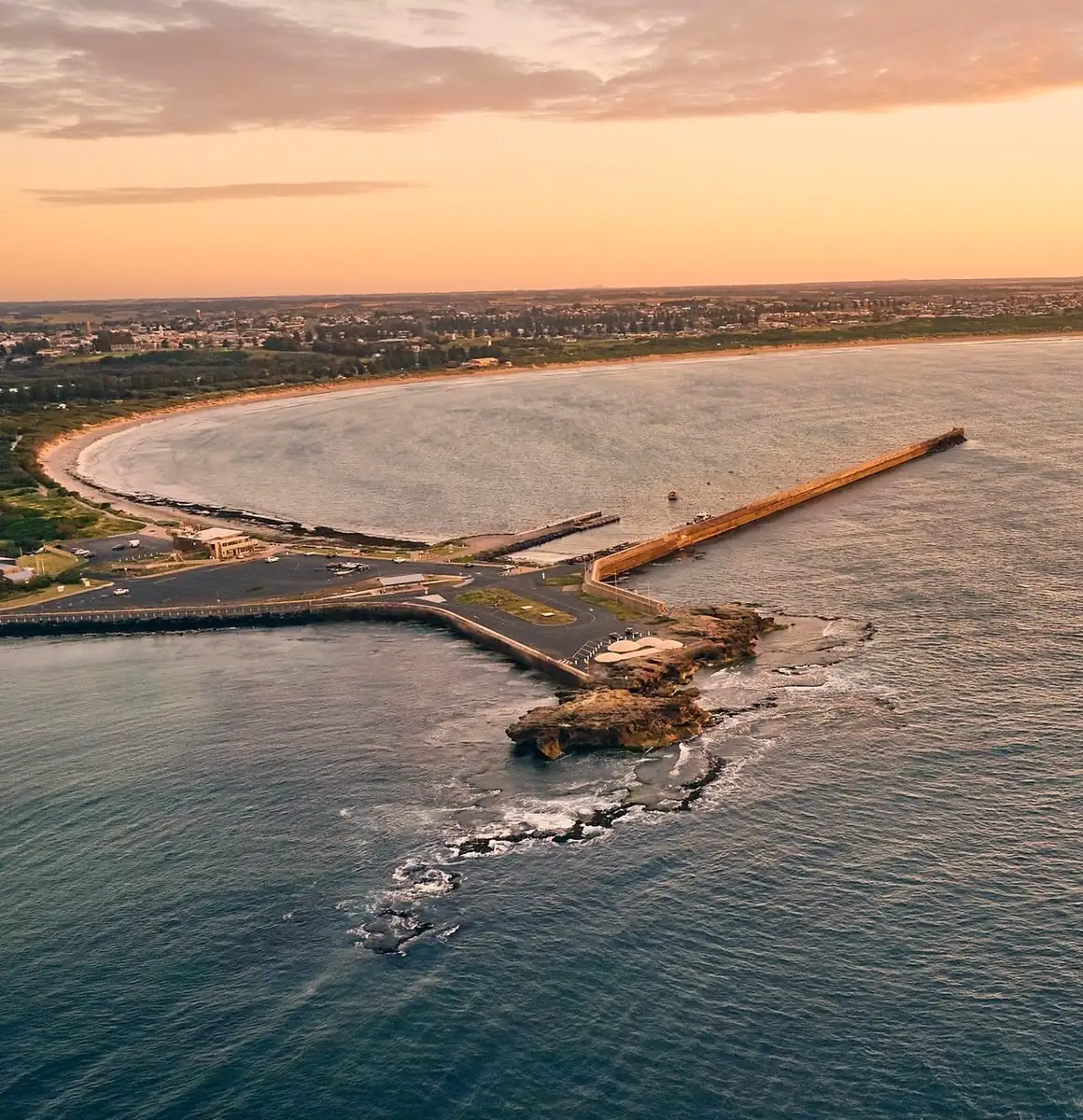
Most people just rely on their Google Maps or a basic satnav and follow the obvious route. The thing is, that “obvious” route is exactly the one thousands of other people are following at the same time.
Driving from east to west flips that on its head. It doesn’t make the traffic just go away – it just means you get to it a bit earlier than you would if you were following the rest of the pack.
How The Crowd Movement Actually Builds
From Melbourne, traffic starts to get funnelled past Memorial Arch, through Bells Beach, and into the tight coastal sections by late morning. The key stops are all congested by the time the bulk of the day-trippers arrive.
But if you’re coming from the other way, the whole rhythm changes. You get to see places like Loch Ard Gorge, London Arch, and the Gibson Steps before the day-trippers arrive in force. That alone can save you a heap of time and hassle, whether you’re driving yourself or just following a route similar to one of those structured Great Ocean Road tours.
The thing most people get wrong is assuming “less busy” means empty roads. What it really means is that you’ve just got better timing than most people – and that’s worth its weight in gold.
Where This Direction Makes The Biggest Difference
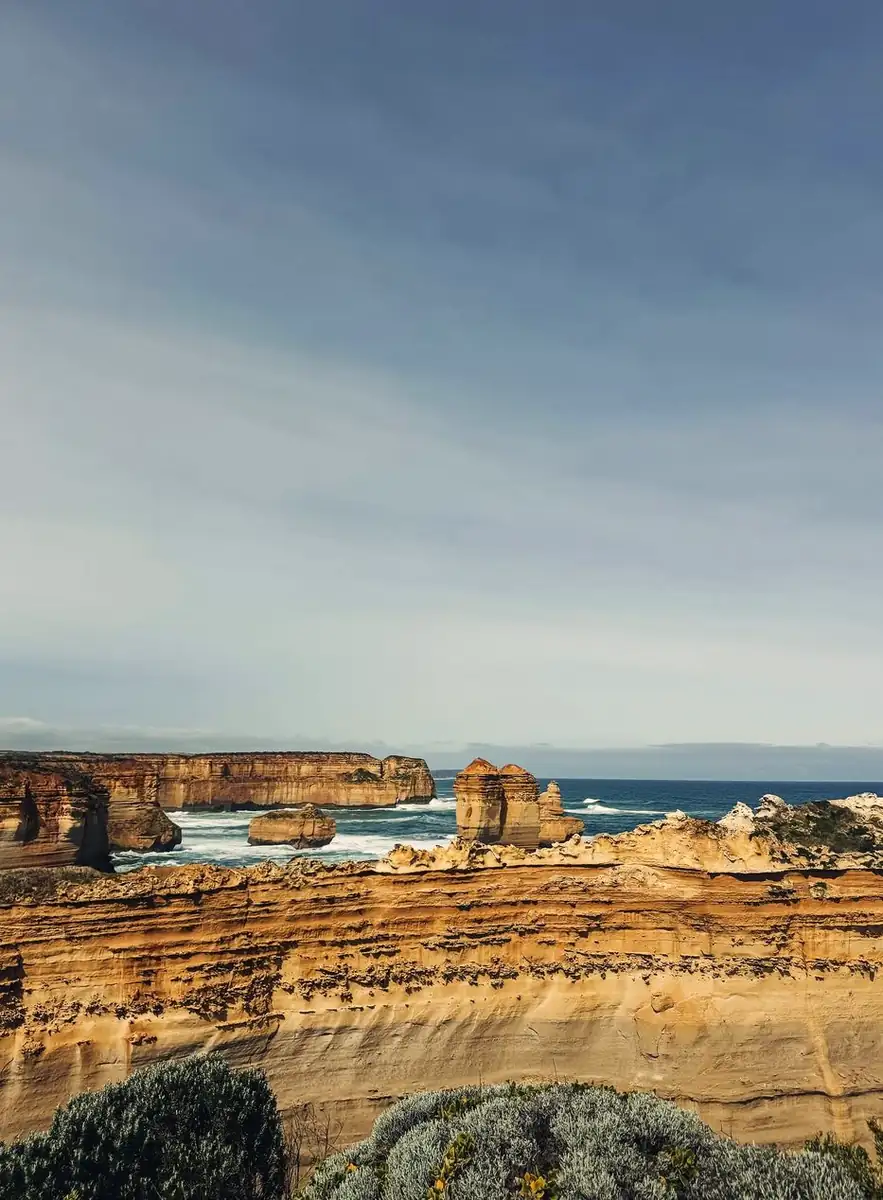
Not all sections on the Great Ocean Road are created equal. Some parts feel worlds apart depending on whether you’re heading east or west.
Shipwreck Coast Without the Midday Madness
If you start near Port Campbell National Park and head east, you’ll be ahead of the game. Getting out in front of the crowds means you can park easily, take in the sights in peace, and just generally enjoy the ride.
I’ve stood at the edge of those cliffs near Wattle Hill and had the place to myself. But roll up a few hours later, and you’ll find yourself in a completely different world – buses, hordes of tourists, and the usual chaos you’d expect from a standard Great Ocean Road day trip.
Smoother Driving Through The Otways

The inland push through Lavers Hill and the dense bits of the Great Otway National Park can be a real slog if you get stuck in traffic. Heading west to east tends to mean fewer cars building up in these tight, winding sections.
It also means you get to drift in and out of the inside lane more often – which is a big help if you’re not the most confident driver. I’ve had long stretches of driving through the Otway Rainforest with hardly another car in sight – it’s a rare treat you just don’t get when heading in the other direction at peak times.
Better Light, Fewer People, Less Stress
Light and timing matter more than most people think. Getting to places early means you avoid the crowds and the chaos, especially at those exposed coastal viewpoints.
Stopping off at Teddy’s Lookout or anywhere near Cape Otway National Park feels a whole lot more relaxed when you’re not fighting with a bunch of other tourists for space. It’s just a small tweak in your itinerary, but boy, does it make all the difference.
When Traffic Still Wins (And You Just Can’t Avoid It)
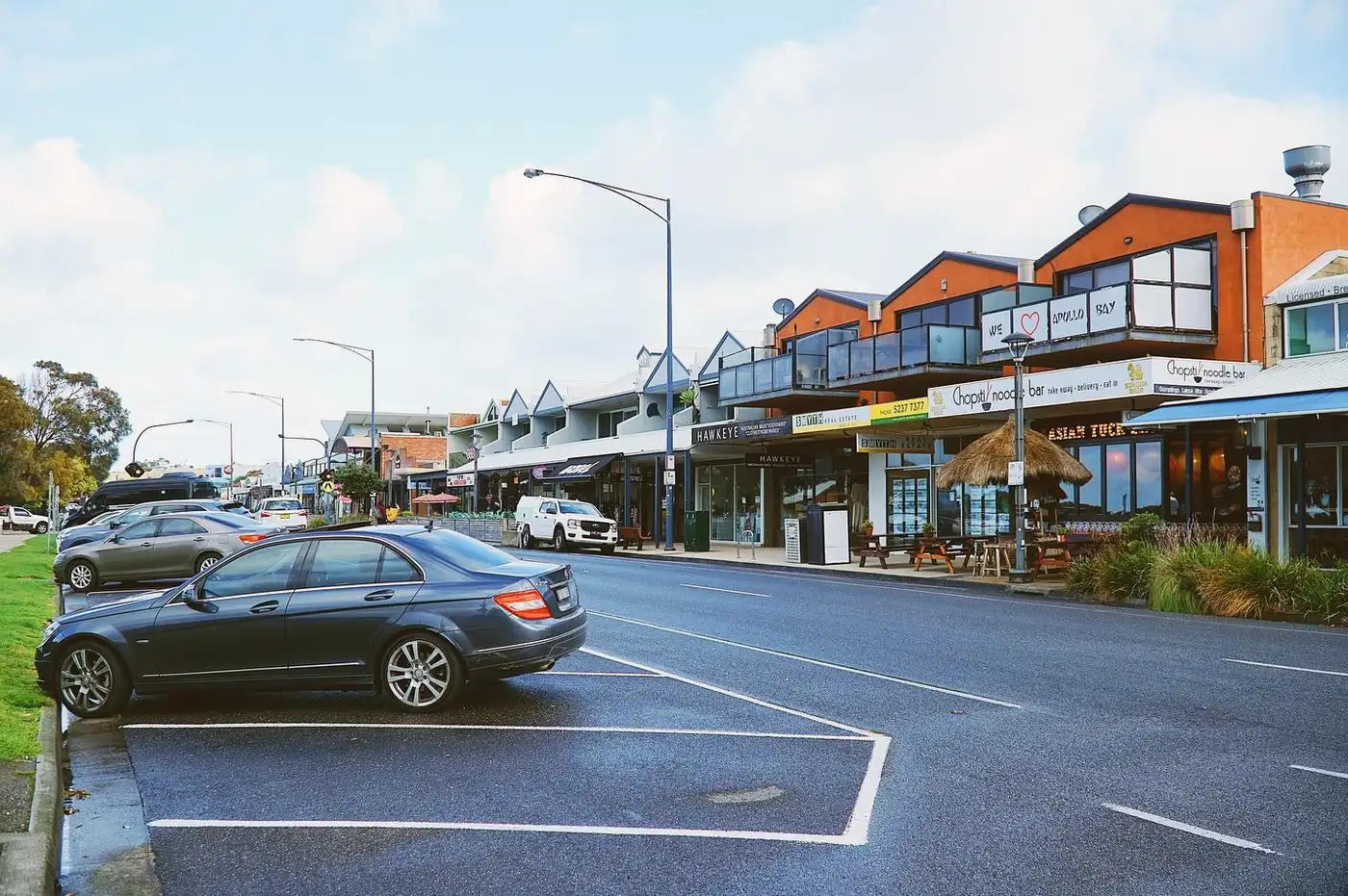
Even the best direction still can’t save you during peak periods. The Great Ocean Road is one of Australia’s most popular coastal routes, and with visitor numbers running into the millions each year – especially around the Shipwreck Coast and Apollo Bay – you know you’re going to hit some congestion somewhere along the line.
You’re going to feel the pressure during school holidays, long weekends, and especially between late morning and mid-afternoon. At those times, both directions are just as busy – you’re just picking the lesser of two evils.
West Vs East Driving — Quick Comparison Table
| Factor | West → East | East → West |
|---|---|---|
| Crowd Timing | Arrive earlier than the tour buses | Follow peak traffic |
| Parking Availability | Easier at key stops | Often limited |
| Driving Stress | Smoother in many sections | More stop-start |
| Scenic Views | Slightly less coastal-side driving | The ocean is often on your side |
| Photo Opportunities | Quieter windows | Busier viewpoints |
Practical Route Planning (What Actually Works)
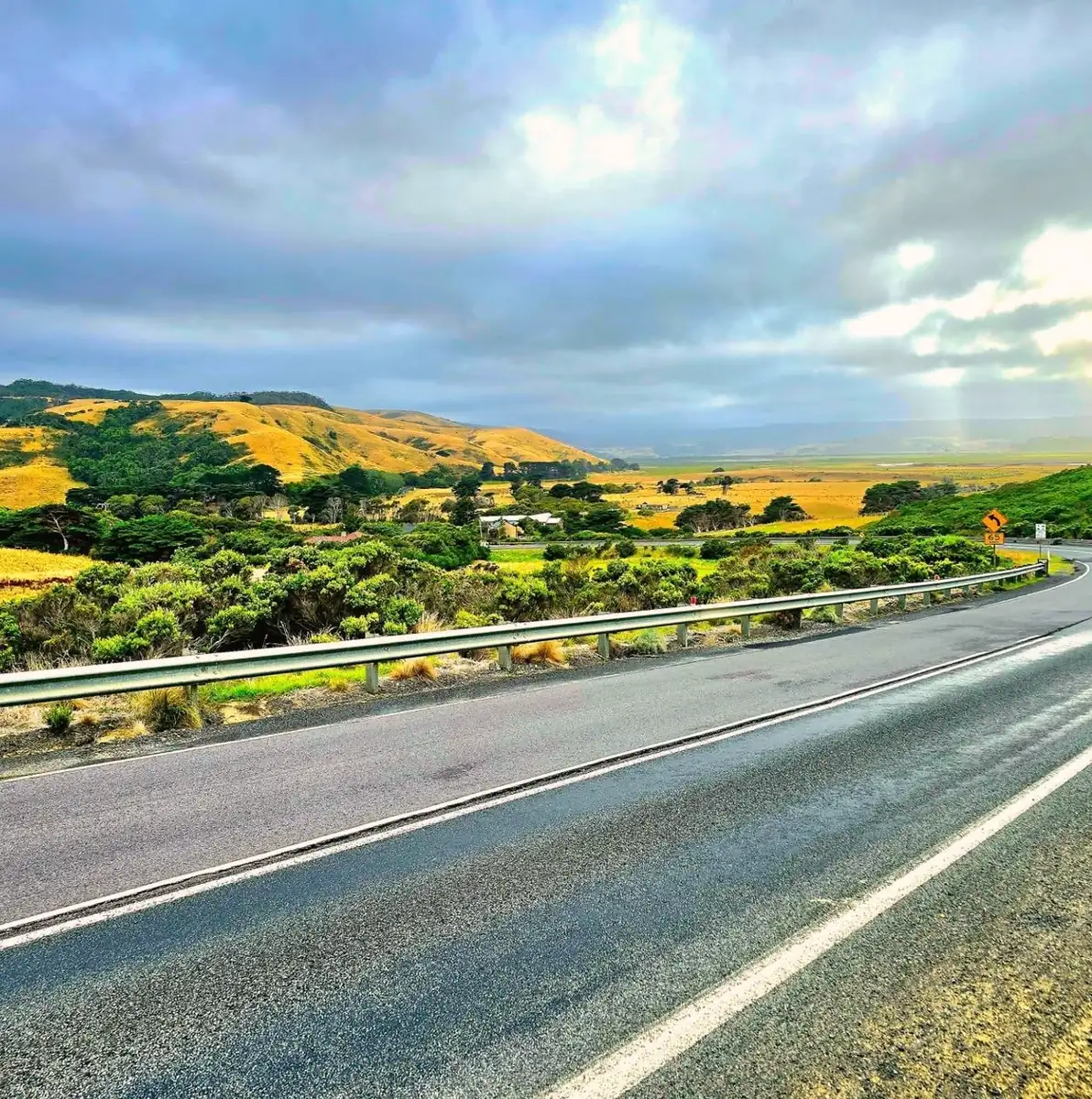
The direction only works if your timing supports it. Without a plan, you’ll still run into crowds.
A Practical Two-Day Approach
If you’re starting near Tower Hill or Warrnambool, you can ease into the drive a bit more easily. Then, veer through the Bay of Islands, cruise past London Arch and Loch Ard Gorge, and overnight in Apollo Bay. That way, you’re not rushing it and getting a good balance of pace.
The next day is a breeze. Start early, and you can get through Kennett River, wind your way through Otway National Park, and finish up near Bells Beach before things get too crazy.
This structure is pretty much the same approach Autopia Tours uses. They don’t just follow the crowds; they try to stay one step ahead of them.
One-Day Run — What To Expect
If you’re determined to do it in one day, just get there early – and I mean, way before you think you need to. Start near Port Campbell and head east to have the best chance of avoiding the crowds.
And don’t say I didn’t warn you – it’s a long day, with a lot of ground to cover. Fatigue will start to set in. This approach is really only for people who are pretty confident with their time management and driving stamina. It’s just not a trip you can rush.
Logistics, Costs, And What Catches People Out
Let’s talk about the nitty-gritty – the real costs and time involved.
Travel Times (Realistic, Not Google Fantasy)
- Melbourne to Port Campbell: ~4.5–5.5 hours with a few stops
- Full road trip: ~8–10 hours to do it comfortably
If you try to fit it all in and rush off without a plan, you’ll just end up missing some stops and getting stressed.
Costs (Rough Guide, AUD)
- Fuel: $40–$80
- Food: $20–$40 per person
- Accommodation in Apollo Bay:
- Budget: $120–$180
- Mid-range: $180–$300
What Catches People Out
- You can’t just find petrol stations everywhere, so make sure to fill up early enough.
- Your GPS can drop out,, and reception can be sure to download some maps.
- Parking fills up fast at the popular stops.
- The weather can change really quickly out there, especially in the Otway Rainforest.
Safety Notes From Someone Who’s Seen It All
Yeah, the road might look pretty in the photos, but in real life, it can be pretty tough.
- Watch your step on wet roads and for debris after it rains
- Keep an eye out for wildlife, especially at dusk
- Follow the safety signs – they’re not just suggestions
- Don’t try to rush past other cars on the road
A Quick Checklist Before You Hit The Road
- Fill up with petrol at the big towns because you can’t always rely on finding a station.
- Download some offline maps on Google Maps just in case
- Get there early
- Bring some water and snacks
- Check the weather and road conditions
- If you can, plan to stay overnight somewhere
Final Takeaway — The Direction Trick That Actually Works
Driving west to east on the Great Ocean Road isn’t going to give you an empty highway, but it’ll certainly give you far more control over how much traffic you hit, when you get to your key stops and what kind of experience you have while you’re there.
You get to avoid the worst of the traffic, hit your top spots earlier in the day and spend less time stuck behind slow-moving buses and more time just enjoying that stunning coastline – whether you’re on your own or have booked your trip with Autopia Tours as part of the package.
And that basically turns a rushed drive into the kind of fun, stress-free Australian Great Ocean Road road trip that you’ve always dreamed of.
FAQ
Is going west to east always the quieter option?
To be honest, not always, but most of the time, it just seems to make a bit more sense with the traffic flow, especially when you’re getting close to Port Campbell National Park.
Do you miss out on any views if you drive west to east?
The only thing you lose is a bit of that ocean-side driving, but places like Teddy’s Lookout still come in handy.
Is it generally better for beginners to drive west to east?
Yes, it is, you get to avoid the more cliff-edgey bits and just have a smoother flow to the whole trip.
Can you actually cram the whole thing into one day?
Yes, but be prepared for a bloody long day on the road.
What’s the best time of year to go?
Autumn and spring are probably your best bet – fewer crowds, milder weather conditions.