Which 17 Australian species have sunk from view into the ‘Category X‘ extinction list? Not something many travellers normally ask, but that all changes when they suddenly grasp the sheer scale of how much of Australia’s wildlife story has been written in the past tense already.
Hi, I’m Paul, and after years of running trips all over the country, I’ve learned a harsh truth the hard way: the Australian outback might look like it’s still in pretty good nick at first glance, but that’s a pretty misleading impression. You can drive for days and think everything looks 100% intact – spinifex grass, gum trees everywhere, birds flying overhead – but once you start to notice what’s missing, the difference in the landscape hits you quite differently.
For context, “Category X” is the category in which species are officially marked as Extinct (EX) under Australia’s conservation rules. It means there’s no doubt at all that there isn’t a single one left, no second chances, no ‘maybe they are still hanging on somewhere’.
Contents
- 1 Australia’s Lost Species: What’s Gone Forever
- 2 Confirmed Extinct Species In Australia
- 3 How A Species Gets Officially Declared Extinct
- 4 What’s Driving Species Loss Across Australia
- 5 How One Decision Changed Everything
- 6 Where The Biggest Losses Have Occurred
- 7 What You’ll Notice While Travelling
- 8 Species That Are Hanging By A Thread Right Now
- 9 What Travellers Can Do Simply
- 10 Why This Isn’t Just About Science
- 11 The Numbers Behind The Reality
- 12 Travel – See The Real Australia
- 13 Final Word
- 14 FAQ
- 14.1 What’s the deal with extinction classification?
- 14.2 Is the Tasmanian Tiger still knocking about somewhere?
- 14.3 What’s the single biggest reason we’re losing so many species?
- 14.4 Are invasive species still causing chaos in Australia today?
- 14.5 Can travelling to these places help prevent any further losses?
Australia’s Lost Species: What’s Gone Forever
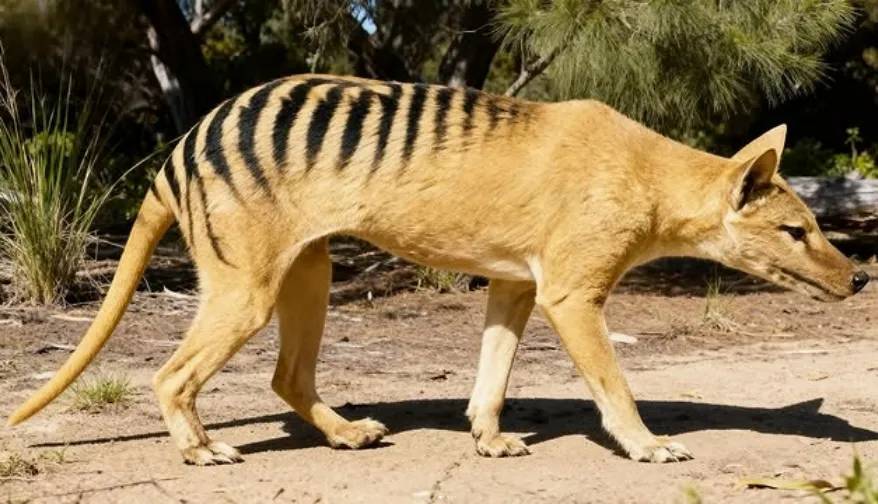
This isn’t some heart-wrenching list I’ve cobbled together for effect – it’s a cold, hard fact of what’s already happened. And that’s the reality of confirmed animal extinctions across this country: these are native Aussie species that Australia’s already lost.
Confirmed Extinct Species In Australia
| Common Name | Scientific Name | Region | Last Recorded |
| Tasmanian Tiger | Thylacinus cynocephalus | Tasmania | 1936 |
| Pig-footed Bandicoot | Chaeropus ecaudatus | Inland Australia | 1950s |
| Desert Rat-kangaroo | Caloprymnus campestris | Central Australia | 1935 |
| Lesser Bilby | Macrotis leucura | NT/SA | 1950s |
| Toolache Wallaby | Macropus greyi | SA/VIC | 1939 |
| Crescent Nail-tail Wallaby | Onychogalea lunata | Central Australia | 1956 |
| Eastern Hare-wallaby | Lagorchestes leporides | SE Australia | 1890s |
| Western Hare-wallaby | Lagorchestes hirsutus | WA | Early 1900s |
| Broad-faced Potoroo | Potorous platyops | WA | 1875 |
| White-footed Rabbit-rat | Conilurus albipes | SE Australia | 1860s |
| Nullarbor Dwarf Bettong | Bettongia pusilla | SA/WA | Fossil record only |
| Christmas Island Pipistrelle | Pipistrellus murrayi | Christmas Island | 2009 |
| Christmas Island Forest Skink | Emoia nativitatis | Christmas Island | 2014 |
| Christmas Island Whiptail Skink | Cryptoblepharus egeriae | Christmas Island | 2010 |
| Blue-tailed Skink (CI population) | Cryptoblepharus egeriae | Christmas Island | 2010 |
| Lake Pedder Earthworm | Hypolimnus pedderensis | Tasmania | 1970s |
| King Island Emu | Dromaius minor | King Island | 1822 |
Australia holds the sad record of having the world’s worst rate of mammal extinction & that’s a fact confirmed by decades of hard ecological evidence.
How A Species Gets Officially Declared Extinct
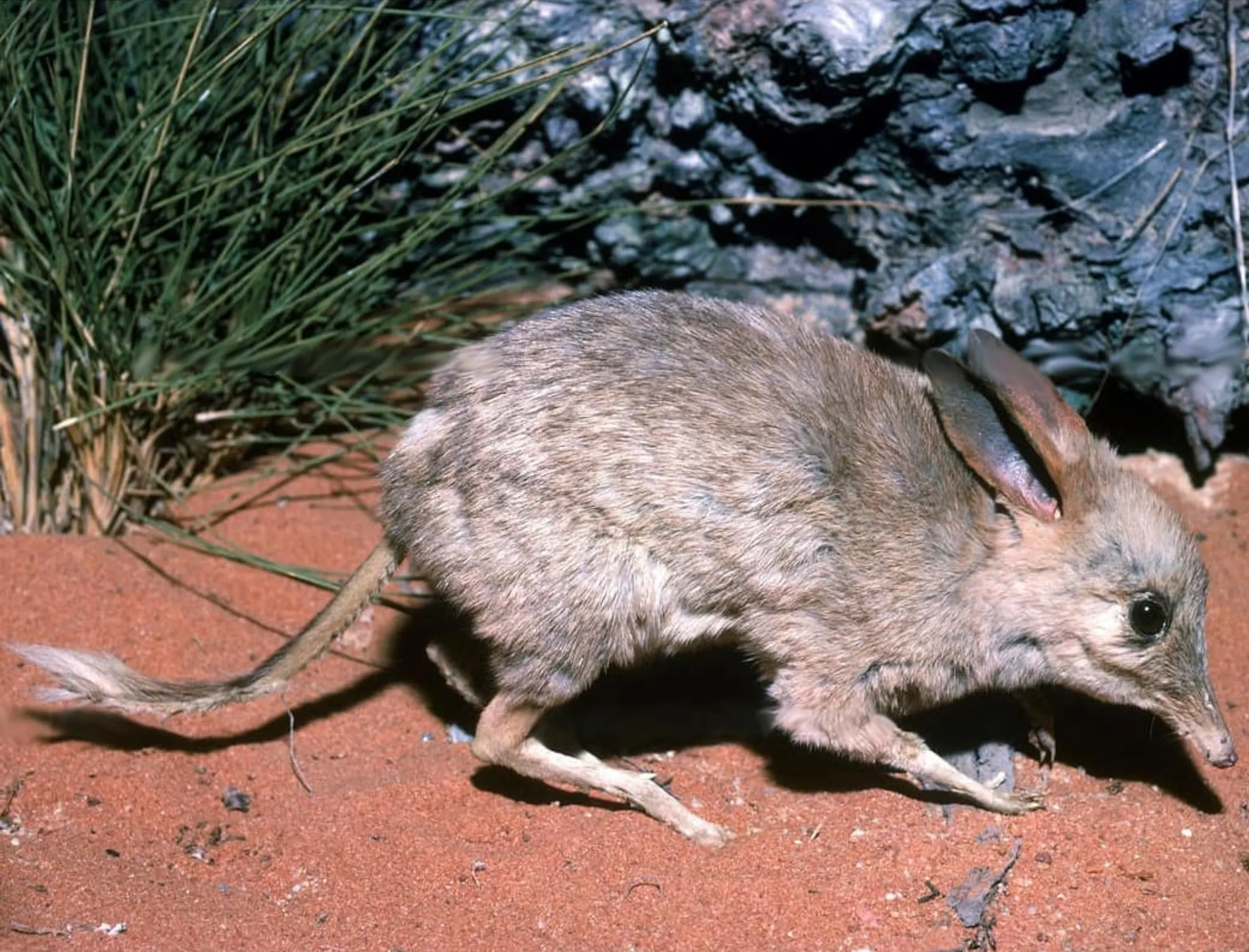
You can’t just slap the label “extinct” on a species cos no one’s seen it for a bit. Scientists take this very seriously – and rightly so.
To officially declare a species extinct, they look at a number of things:
Years (sometimes many years) of concentrated searching around where the species is supposed to be
All the historical records and the knowledge of the local indigenous people
A detailed look at the habitat – is it still in good nick, or has it been destroyed?
And when all that searching turns up zero verified sightings, despite a big effort to find the animal
Take the Tasmanian Tiger, also known as the thylacine – it’s probably Australia’s most famous extinct animal. Despite all the urban legends and dodgy photos over the years, its official status remains extinct.
Now I think the key thing to remember here is that a species is declared extinct when all hope of finding it runs out, not just when sightings stop
What’s Driving Species Loss Across Australia
There isn’t one main culprit here. It’s about a combination of pressures that converge at once, causing chaos and destruction in ecosystems.
Key Causes You’re Still Seeing Today
Feral cats These guys are one of the biggest dangers to small mammals – they just hunt relentlessly, all the time, even in the most remote areas
Introduced species Like cane toads – which are toxic, move fast, and just cause chaos when they arrive in a new area
Habitat destruction especially in south-east Australia, where land is being cleared for farming and development
Poor fire management especially since the tradition of Indigenous “cool burns” has stopped – this has caused a massive change to the way landscapes look
Small populations are getting isolated Once numbers drop too low its almost impossible for the species to recover
You’ll still be seeing these problems all over the place – they haven’t gone anywhere
How One Decision Changed Everything
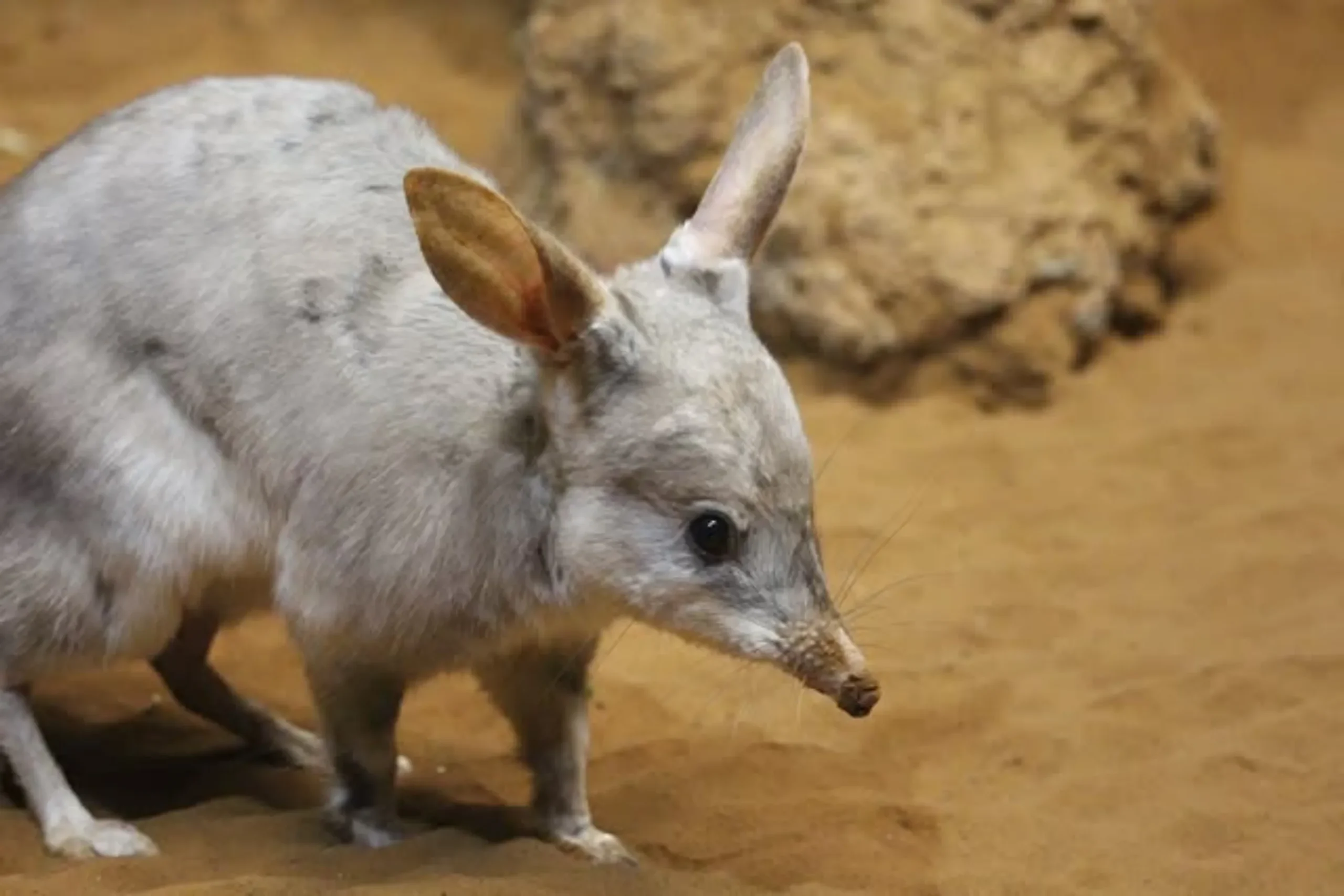
I remember driving through Victoria, near Barwon Park – beautiful rolling farmland, tidy fences, sheep grazing like everything’s business as usual.
But this part of the country used to have species such as the Toolache wallaby.
It’s gone now.
Then you start digging a bit further back in history, and you come across the name of Thomas Austin, who brought rabbits to Australia in the 1850s just for a bit of a laugh. Within just a few decades, the rabbits were everywhere, stripping the vegetation and changing entire ecosystems.
Just one decision, one little ripple effect and suddenly you’ve got a permanent impact.
Where The Biggest Losses Have Occurred
Extinction hasn’t been kind to us all. Some places have been hit way harder than others.
Places That Got The Worst Of It
South-East Australia You can bet that the relentless clearing and early settlement that went on here wiped out an awful lot of species.
Central Australia The ecosystems there were already pretty fragile, then the feral cats turned up… and that was a recipe for disaster.
Islands like Christmas Island Once those invasive species showed up, the native species just didn’t stand a chance.
If you’re wandering through these areas, you’ll probably be looking at landscapes that’ve already lost some of their most important species.
What You’ll Notice While Travelling
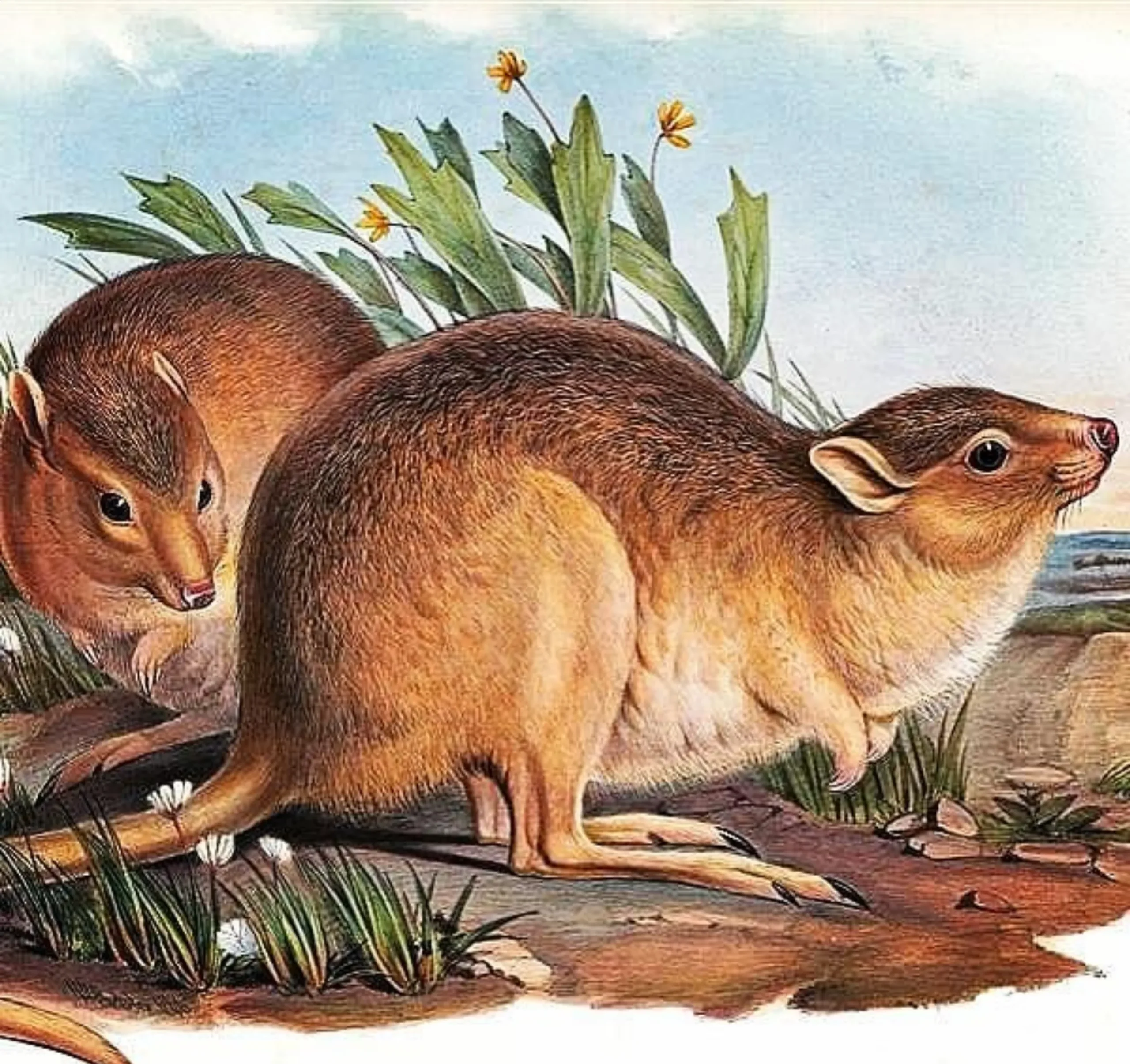
The thing most people tend to miss.
The bush might still look healthy enough – the trees are still standing, the birds are still singing – but something just feels… wrong.
And that’s because:
The small mammals are just not there
Predator and prey relationships have been totally knocked out
Vegetation patterns have changed completely
I see this all the time when I’m out on trips with the people who book with Australia Wildlife Tours – once people actually notice it, they just can’t help but see it.
That’s one of the reasons why more and more people are choosing Aussie wildlife tour packages that are really about educating you, rather than just showing you the sights.
Species That Are Hanging By A Thread Right Now
Not everything has gone – some species are still fighting on, but they’re running on fumes.
Species That Are Hanging On For Deaf Life
Northern Hairy-nosed Wombat
Orange-bellied Parrot
Leadbeater’s Possum
Night Parrot
These are some of the species you might still actually get to see – if you’re very lucky, and if the people trying to save them manage to pull it off.
What Travellers Can Do Simply
You don’t need to go out and become a full-time conservationist, but you do need to start thinking about your travel plans a bit more wisely.
Little Things You Can Do That Actually Make A Difference
Just use the tracks – don’t go wandering off into the weeds
Don’t feed the wildlife – it’s best if they stick to finding food the normal way
Give your gear a good clean after each trip
Follow the fire restrictions
Support good operators – like Australia Wildlife Tours
The thing is, when you’re booking an Aussie wildlife tour package, you probably don’t stop to think about how much damage Your travel choices can do – but trust me, they add up quickly enough.
Why This Isn’t Just About Science
Don’t get me wrong, this isn’t all about reading up on conservation reports and government policies.
It’s about so much more than that:
how ecosystems actually work\
the cultural significance that Traditional Owners have with the land\
the plain fact that seeing fewer animals isn’t exactly why you come on holiday
I mean, let’s be real – fewer animals isn’t exactly the highlight of a trip out here.
The Numbers Behind The Reality
Let’s break it down to the bare facts:
Australia’s got a sorry record when it comes to mammal species – it’s lost more than any other continent
we’ve seen around 10% of our native mammals disappear since 1788
and to date, over 1,900 species are actually threatened
This isn’t a done deal – it’s an ongoing disaster.
And that’s why content like this aims to actually give you a clear picture of what’s going on out here – because that’s what useful, people-first content is supposed to do.
Travel – See The Real Australia
You can drive across Australia and think you’re seeing the real deal.
And in a lot of ways, you are.
But then you pass through places where species no longer exist.
And that’s what really matters.
the landscape tells a bit of the story
the wildlife that isn’t there tells the rest
I always tell the groups on my Wildlife Tours this: the goal isn’t just to see Australia; it’s to actually understand it.
So next time you’re browsing around for that wildlife tour in Australia, don’t just check the box – ask questions. Notice what’s there – and what’s not.
Because once something gets added to that extinction list – it ain’t coming back.
Final Word
Australia’s wild places still have a lot to offer – no question about that. But the truth is, they’ve already been impacted by human activity.
And once you get your head around that, you travel in a totally different way.
FAQ
What’s the deal with extinction classification?
It’s a done deal – there’s no longer any doubt whatsoever that the last individual of that species has gone for good.
Is the Tasmanian Tiger still knocking about somewhere?
No – there’s just no concrete evidence to suggest it is, and regardless of all the wild stories, Thylacinus cynocephalus officially remains gone forever.
What’s the single biggest reason we’re losing so many species?
It’s a no-brainer – introduced predators like feral cats have been doing the most damage.
Are invasive species still causing chaos in Australia today?
Unfortunately, yes – animals like cane toads are still messing up ecosystems all over northern Australia.
Can travelling to these places help prevent any further losses?
Yeah – making responsible travel choices, supporting conservation and choosing a tour operator with a conscience all make a difference.