Uluru — or Ayers Rock, as some still call it — is the iconic rock that defines Central Australia. At 348 metres tall and stretching 3.6 kilometres long, it’s a sandstone rock of such striking colour and presence that people reckon it must be visible from outer space.
But can astronauts aboard the International Space Station actually spot this famous monolith with their own eyes? Let’s peel back the layers of geology, space science, and desert realism to get an accurate estimate.
Contents
Is Uluru Visible from Space?
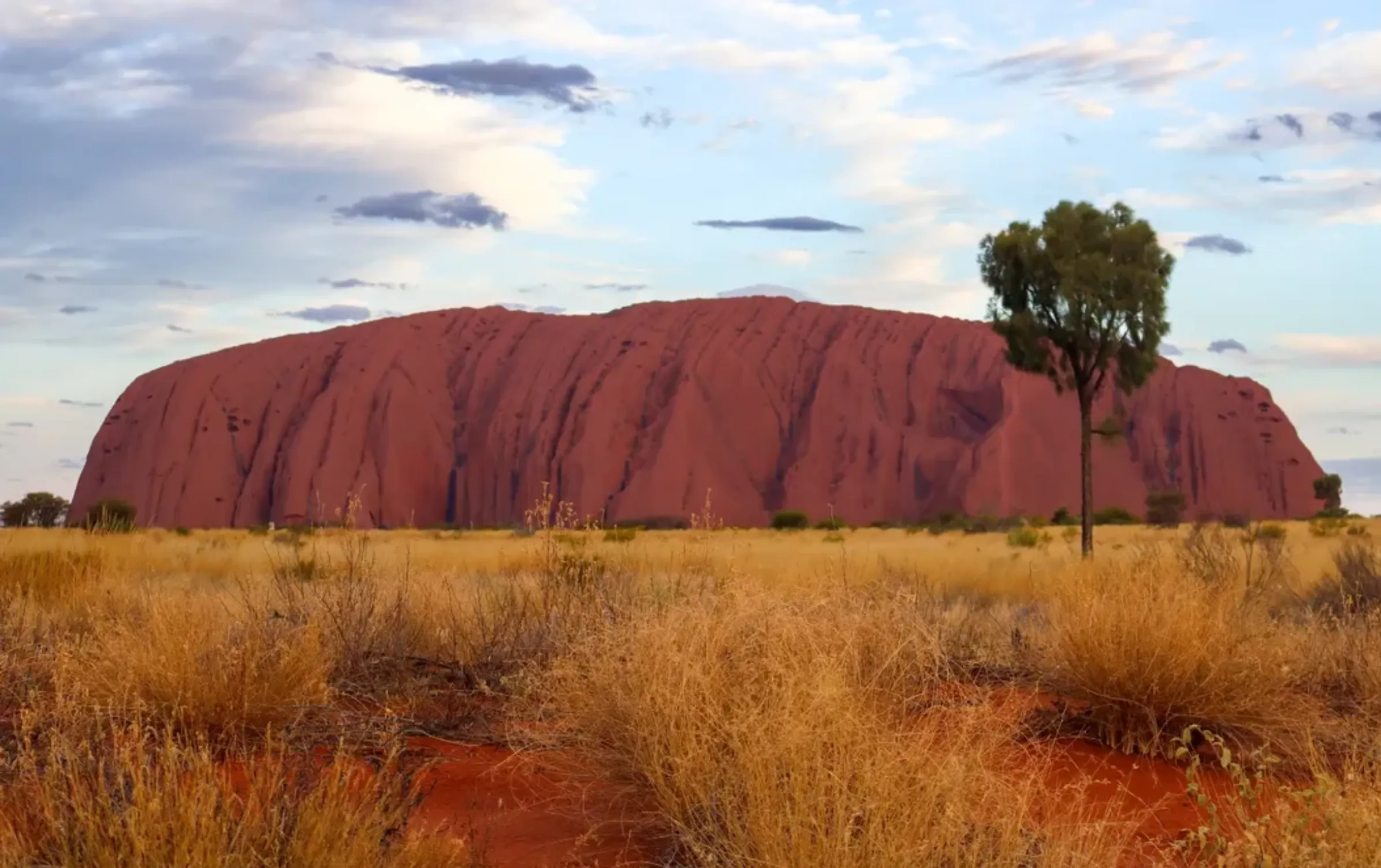
Technically yes — but only if you know where to look, and you’ve got the right gear.
Uluru, an 864-metre monolith if measured from its base underground, blends into the flat desert landscape surrounding it. From 400 kilometres above Earth, where the International Space Station cruises, the rock’s outline merges with the red hues of the Australian ground. Unless you’re using long lenses or viewing a hyperspectral image, it’s like finding a cricket ball in the Simpson Desert.
That said, satellites like Kompsat-2 and aerosol satellites have captured stunning images of Uluru. These false-colour composite images and hyperspectral images reveal smooth rock sections, softer deposits, and the green stretch of vegetation clinging to its base after heavy rain.
Space Science Meets Rock Science
Space capability and investment in space continues to grow across the globe. Australian space technology, including ground infrastructure and satellites, is increasingly capable of capturing precise data from sacred sites like Uluru. The Australian government’s backing of programs such as Neumann Space shows our commitment to future long-duration exploration missions and space-based Earth monitoring.
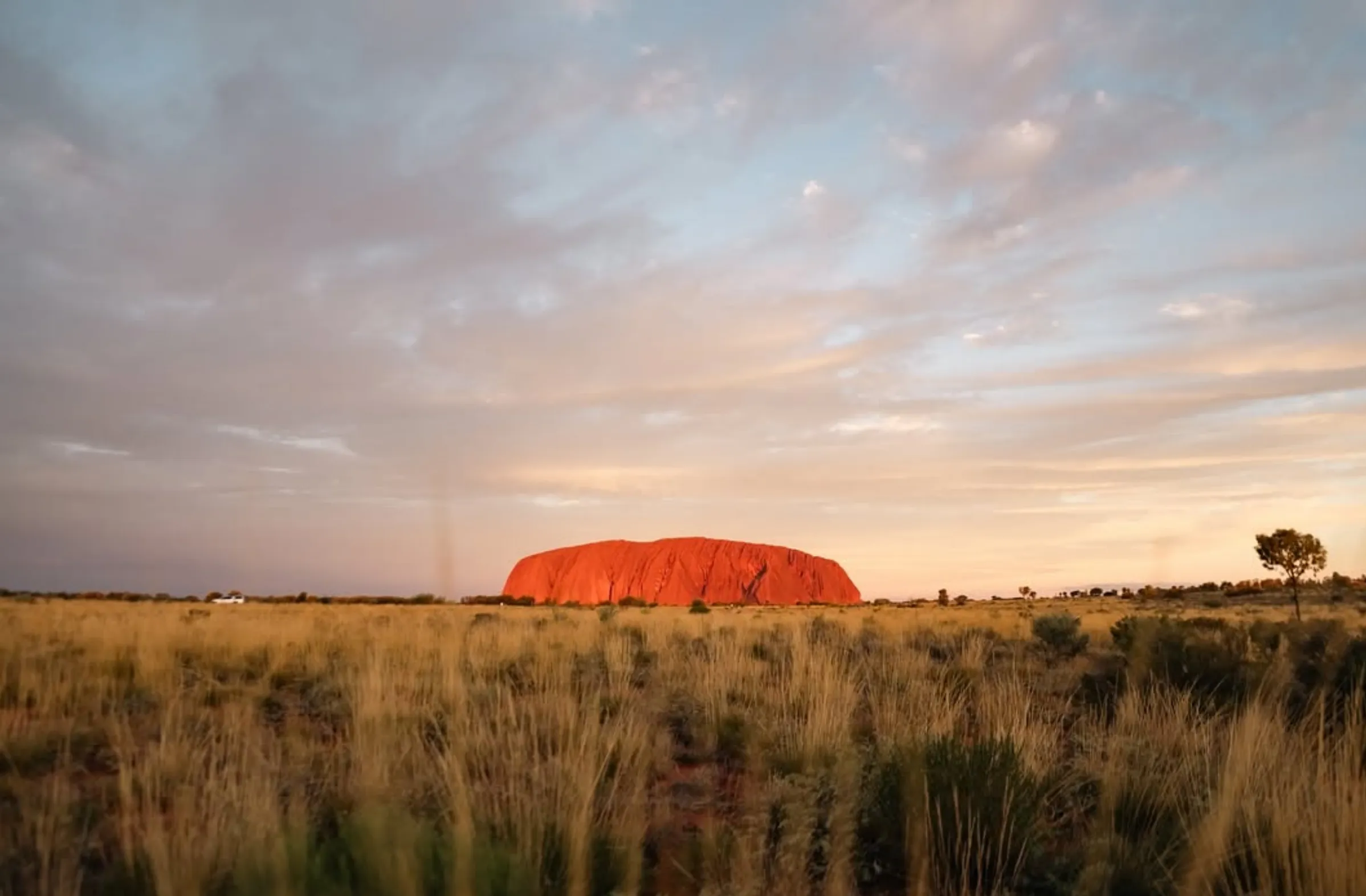
Image credit is due to collaborative industry satellite teams for sharing exceptional images of Uluru from space. These larger area images are often used in selection of activities and resources for children, helping tell the story of this iconic location in both schools and modern space learning environments.
Is Uluru Bigger Below Ground?
Here’s where the campfire stories kick in. Some reckon Uluru is a land iceberg — a tiny tip of a giant formation lurking beneath the surface.
Not quite.
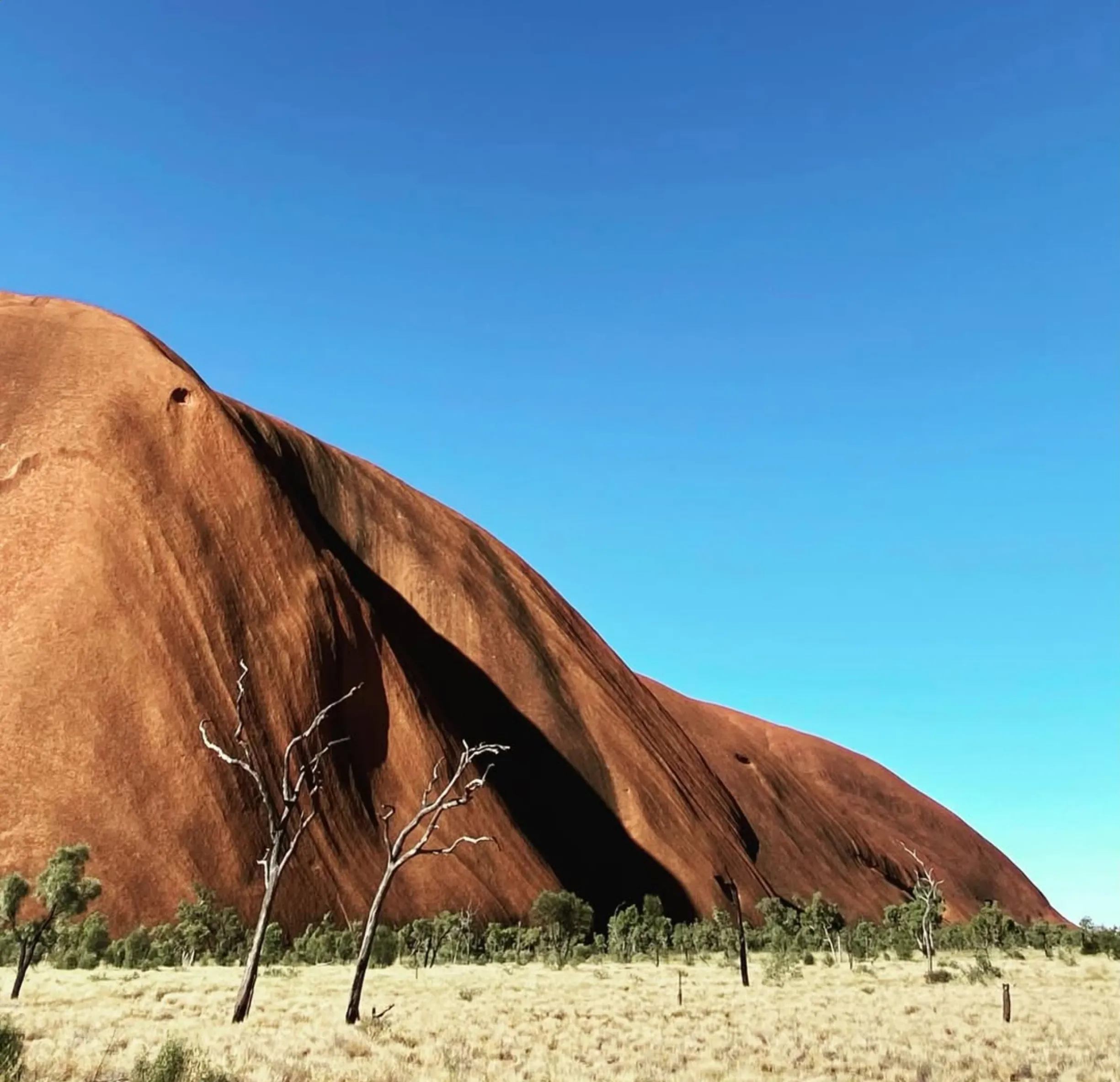
Uluru is indeed part of a much larger rock formation beneath the desert, but calling it an iceberg isn’t geologically accurate. It’s more like an island mountain on a flat surface. The rock is made of arkose, a gritty sandstone rich in feldspar, deposited around 550 million years ago. It was uplifted during ancient tectonic shifts and worn into its current shape by erosion.
Below the surface, Uluru continues — but not as dramatically as the myth suggests. Geologists refer to it as a conglomerate rock connected to a larger geological sequence, not a submerged giant.
Eyes vs Satellites
Let’s talk hardware.
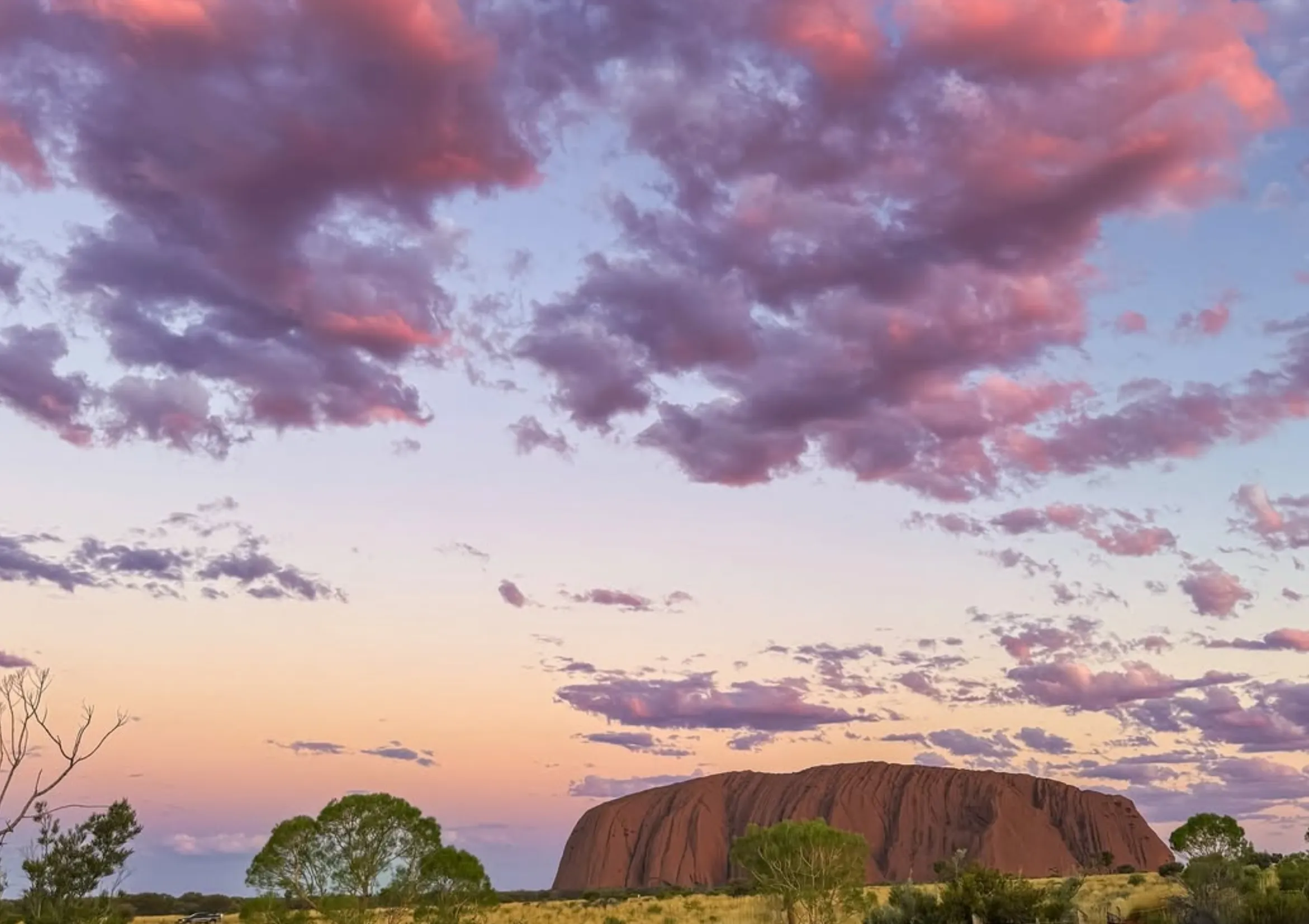
- Astronaut photo ops rely on favourable conditions: late afternoon light, clear skies, and knowledge of the rock’s exact coordinates.
- Satellite imagery, on the other hand, delivers incredible images. One Week in Images release even included a false-colour Uluru shot taken by the Kompsat as a Third Party Mission. The striking landscape practically glows in those shots, thanks to the bright colour of its oxidised surface.
The ISS might not always grab a good view, but a Kompsat-2 satellite or Australian satellite snapping from high above? You bet. Even a printer in space would have a better shot at detail than a rushed astronaut glance.
Planning Visit to Uluru
Space may offer a top-down glimpse, but to really grasp Uluru’s grandeur, you need boots on the ground. Ayers Rock Resort in Yulara is your launch service to the rock.
Getting There
- Fly into Yulara (Ayers Rock Airport) via Alice Springs, Sydney, or Melbourne.
- Drive from Alice Springs — a 5-hour stretch of desert past friendly camels and the odd green patch after rain (millimetres of rain fell in recent months). If you’re looking to dive deep into the experience, there are several Uluru tours from Alice Springs that take care of transport, stories, and logistics all in one.
Hot Tip: Always check alert messages and road closures before hitting the road. Especially after a century event like flash floods or when heater units are working overtime in the chill of the dry season.
Where to Stay
- Ayers Rock Resort: From budget digs to luxe tents.
- Camping: Bush-style or caravan-ready, with plenty of flat desert surface for a proper yarn under the stars.
Walk the Base
The Uluru Base Walk spans 10.6 km and skirts sacred sites, ancient rock art, and smooth curves worn by wind and time. The Aboriginal communities who are the traditional owners of this land ask that visitors not climb Uluru — and that request is now law. Respect matters.
Uluru is home to Aboriginal people whose stories stretch beyond human memory. Their Dreaming connects to the rock in every crack and cave, from the practice for tourists to the sacred business kept private. If you’re short on time or want a guided experience, many Uluru tours offer cultural insights, local guides, and fascinating stories from the land.
For those chasing the day’s last glow, Sunset Uluru tours are especially popular — capturing that iconic rock bathed in golden-orange light. Autopia Tours runs a brilliant version, complete with nibbles and sparkling for that golden-hour moment.
Don’t Miss Nearby Attractions
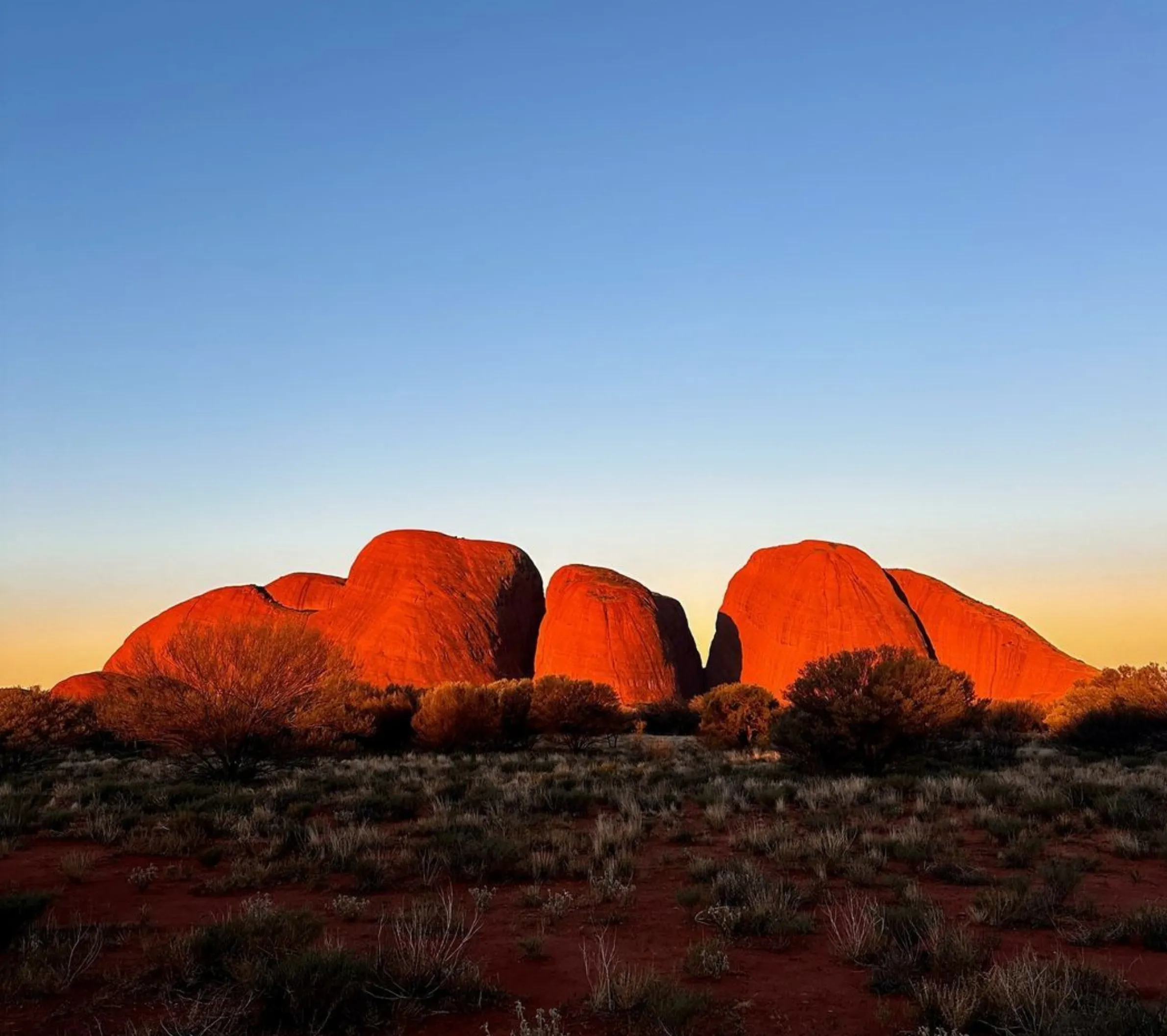
- Kata Tjuta (Tjuta National Park): Also called The Olgas, this rock formation of 36 domes is just 40km west and offers epic hikes like the Valley of the Winds.
- Kings Canyon: Another three-hour drive, another planet. Think massive cliffs, Garden of Eden pools, and ancient cycads.
And if you’re extending your outback adventure, Uluru Trips that bundle Kings Canyon and Kata Tjuta are a great way to see it all in one hit.
Uluru & The Modern Space Narrative
Australia isn’t just looking at Uluru from above — we’re part of the view.
With the rise of our space capability and links to foreign space agency partnerships, Uluru may one day serve as an iconic marker in future challenges for Earth observation and outer space storytelling. Launch media events have even featured Uluru footage for international promotions.
While the idea of astronauts waving at the rock might be an alternate story or one of the hottest stories on social feeds, the deeper story remains one of grounded strength, sacred tradition, and awe-inspiring geology.
Planning your own Uluru tour? Whether you go solo, join a guided walk, or book a multi-day outback experience, it’s bound to leave a mark as unforgettable as the rock itself.
FAQ
Is Uluru visible from the International Space Station?
Yes, in the right conditions using zoom lenses or high-res imaging, but not easily with the naked eye.
Why is Uluru sometimes called a land iceberg?
Because people imagine it’s much larger underground. While it does extend below the surface, it’s not a true iceberg structure.
What kind of images of Uluru are captured from space?
Exceptional images using hyperspectral imaging, false-colour composites, and large-scale photos have shown Uluru’s bright colour and flat desert landscape in incredible detail.
What makes Uluru hard to see from space?
Its colour blends with the surrounding red centre. Even with good lighting, it doesn’t stand out unless viewed with technology like satellites.
What’s the best way to experience Uluru?
On foot — the Base Walk, ranger-guided cultural tours, and sunset/sunrise viewings at Uluru or Tjuta National Park are unforgettable.