3D areola Tattooing in Melbourne: A Guide to Post-Mastectomy Restorative Tattooing – what people usually start searching for once they’ve got a bit of time under their belt after diagnosis day. If you’re here, chances are you’ve already navigated breast cancer, surgery, recovery and what feels like an endless series of appointments that all start to blend together. This is about deciding whether one final, practical step can help you feel that your body is finally returning to its usual self.
This article is written with real patients in Melbourne and around Victoria in mind – drawing on the medical literature, real practitioner experience and patient education – none of the hype, sales talk or unrealistic promises.
Contents
- 1 When Reconstruction Feels Almost Done
- 2 Tattooing’s Role in Recovery
- 3 What This Procedure Involves
- 4 Why Your Skin Condition Dictates Everything
- 5 The Consultation Is a Real Chat with Your Practitioner
- 6 What Goes Down During a Tattoo Session
- 7 Colour Selection – It’s Not Just a Guess
- 8 Prices, Access, and Health Funds
- 9 Who’s Qualified to Do This Kind of Work
- 10 What This Procedure Can’t Do
- 11 Education, Tech and Being Informed
- 12 Final Thoughts
- 13 FAQ
When Reconstruction Feels Almost Done
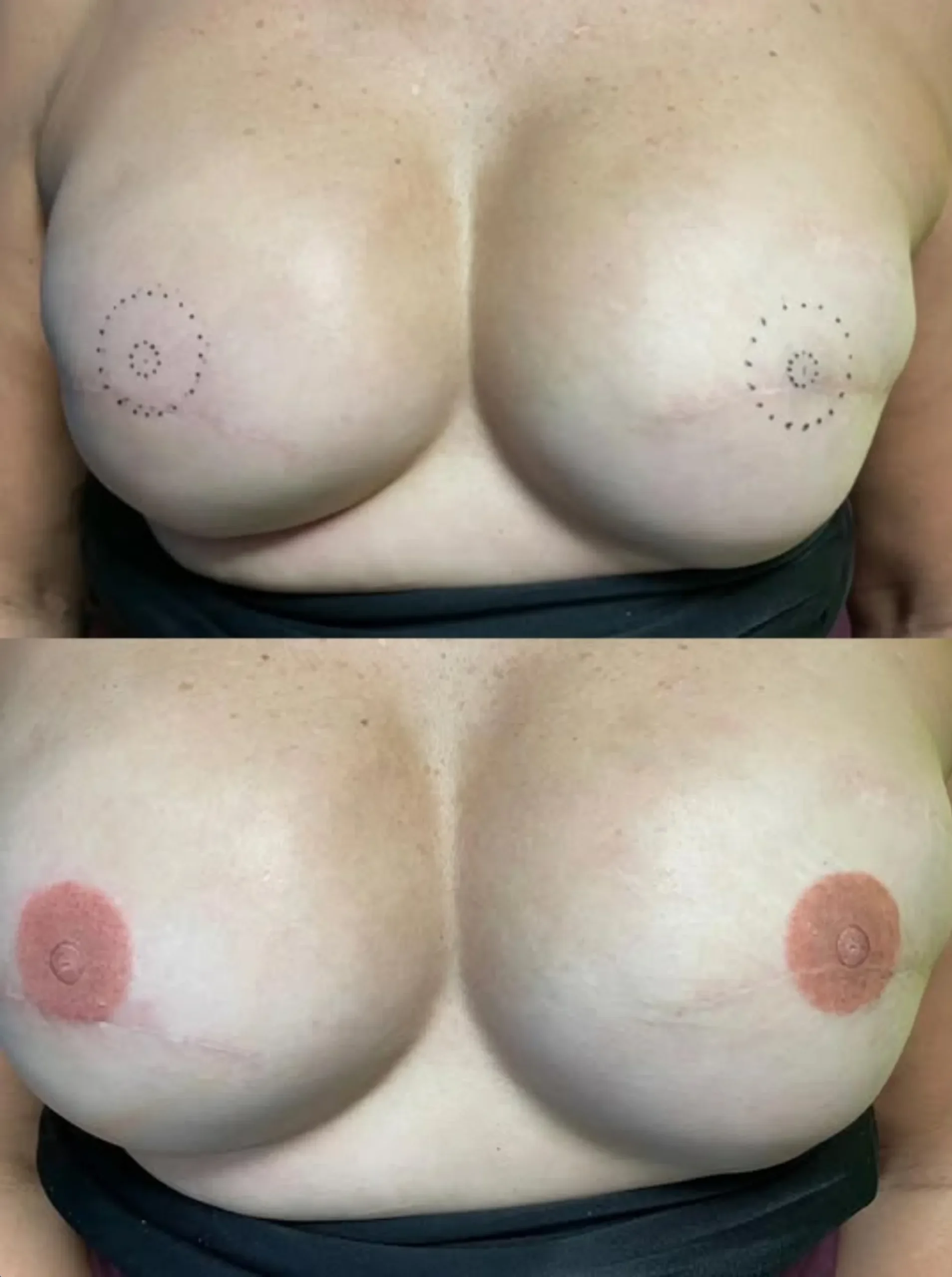
After having breast surgery, people often get to a point where all the medical bits are ticked off. The shape is back, the swelling has gone down, and the scars have softened. However, something feels missing. That feeling has nothing much to do with how pretty or how big it is – it’s more about visual continuity. Whether the reconstruction involved implants, your own tissue, or staged expansion with a tissue expander, the lack of an areola stands out, like a constant reminder of what went before.
And that’s often when restorative tattooing comes into the conversation – not because people are not happy with what they’ve got, but because they’re just ready to call time on all of it now.
Tattooing’s Role in Recovery
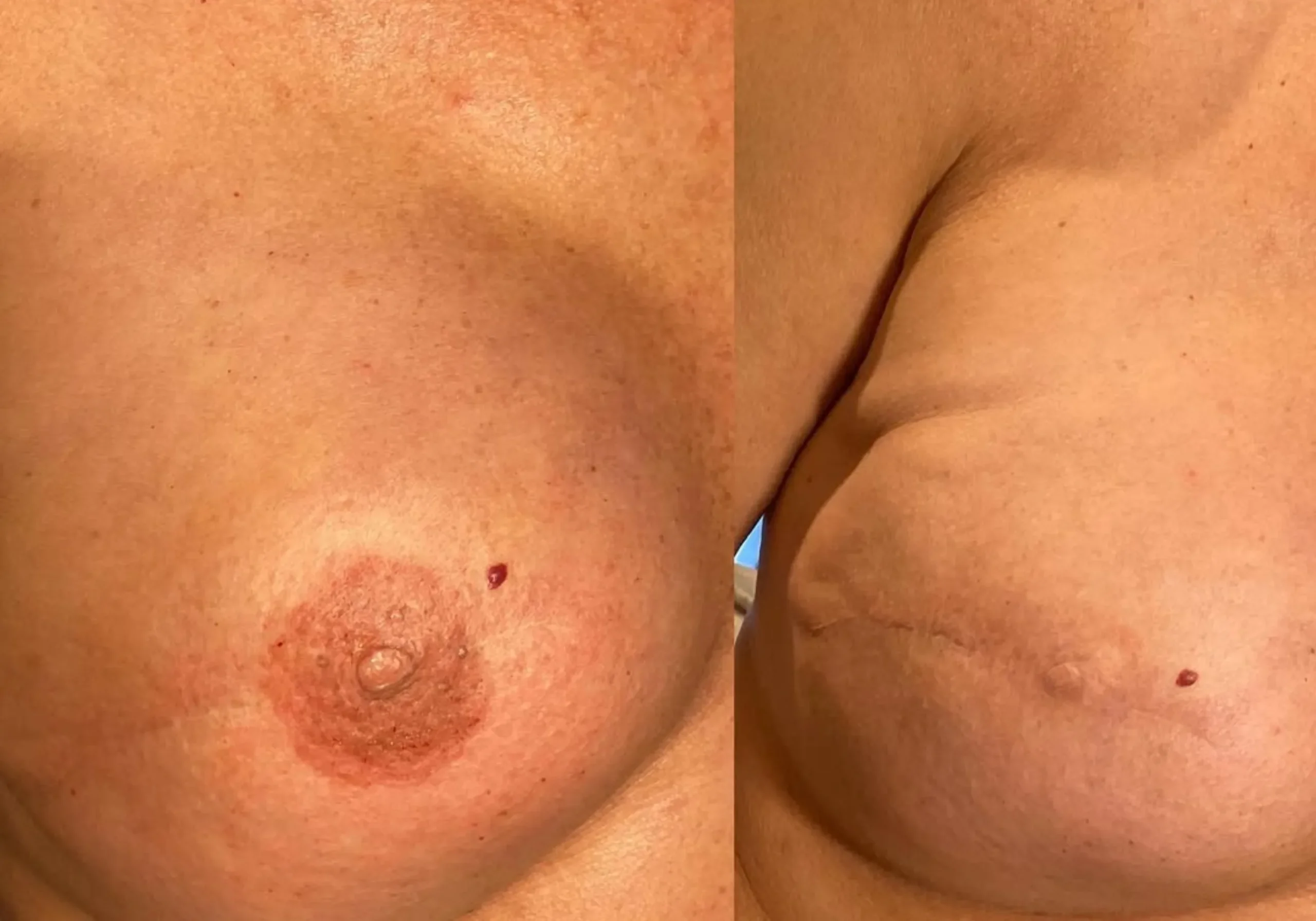
Modern reconstruction pathways are pretty complicated. Some people get to keep their nipples, while others have to have them removed, followed by multiple operations. Some folks have had radiation therapy, which can really mess with how your breast skin heals and how it responds to tattoo ink. Then there’s 3D areola tattooing – a non-surgical option for nipple-areola reconstruction, recognised internationally as the right way to go when:
- There’s no need for any more surgery
- Radiation treatments have messed with the skin, so it’s not as receptive to tattoo ink
- Nipples that were surgically added have flattened out over time
- You just don’t want to have to go under the knife again
In Melbourne, clinics like Cosmetic Tattoo Melbourne Studio understand this, so they focus on how skin behaves after surgery, not on the latest trends in looks.
What This Procedure Involves
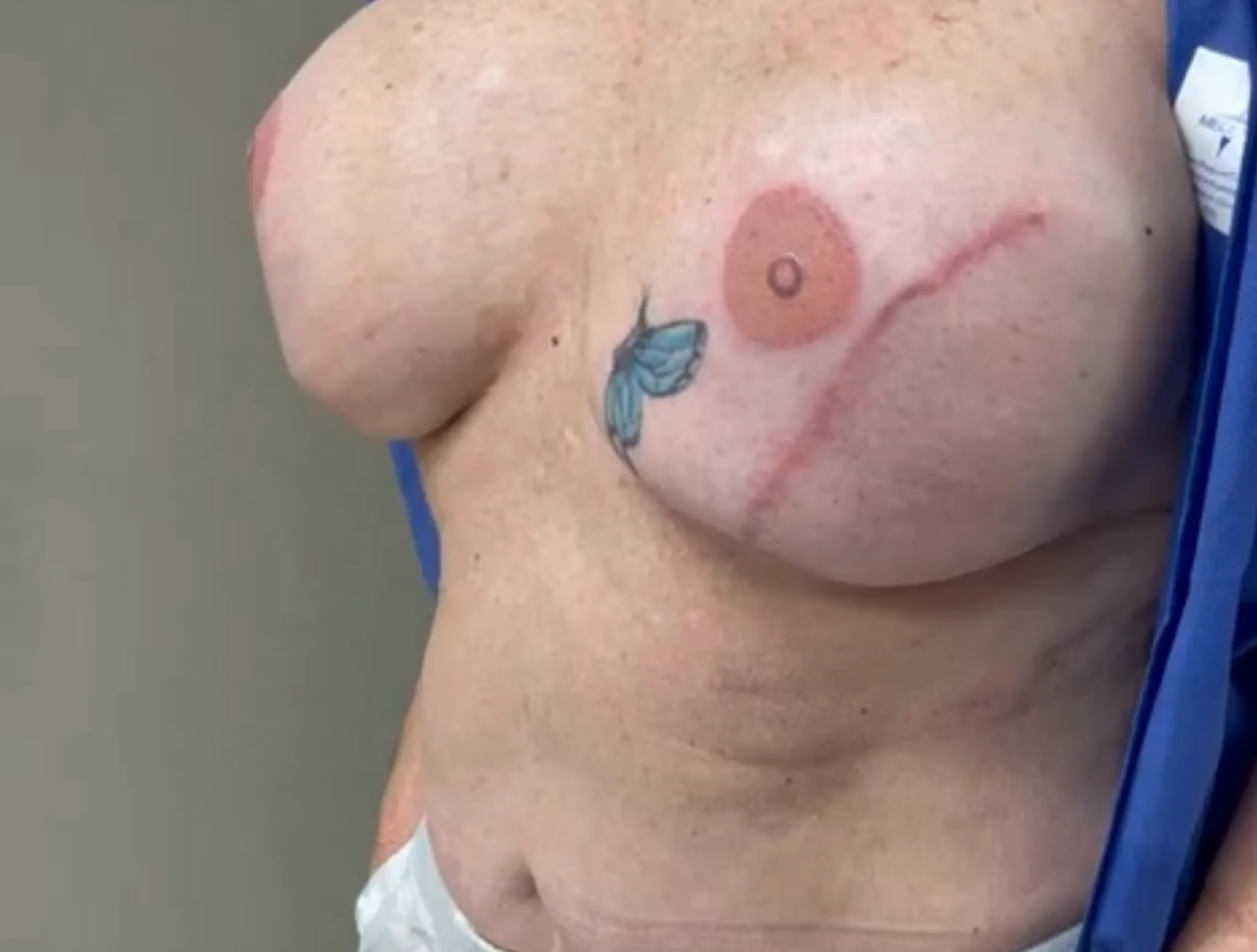
This work falls into the category of paramedical tattooing – a niche area of medical tattoos that’s not about decorating your body, and isn’t done the same way as a regular tattoo.
Using a real medical-grade tattoo machine that can actually handle skin that’s been through the wringer, a practitioner will use super fine needles to gradually build up the colour, creating depth and giving the impression of something really being there. The trick is all about colour theory, getting the shadows right, and knowing how scars pick up light.
The aim isn’t to make a bold statement; it’s simply to restore something that looks natural.
Why Your Skin Condition Dictates Everything
Skin that has undergone surgery behaves differently. Skin that has undergone radiation treatment does, too. Radiation can disrupt the blood supply and elasticity, and can even completely thin the skin. And then there’s the scar tissue – it might be tough, uneven, or just really stubborn about taking the pigment. All of this affects not just whether it’s a good idea to get tattooed, but also how you should proceed.
That’s why timing is everything. Most pros will say wait till your:
- Surgical scars have fully healed and are nice and pale
- There’s no more inflammation going on
- Radiation has calmed down
In clinics offering cosmetic tattoo in Victoria, you’ll find that responsible practitioners are more focused on taking their time than rushing. Taking things slow usually ends up being better in the long run.
The Consultation Is a Real Chat with Your Practitioner
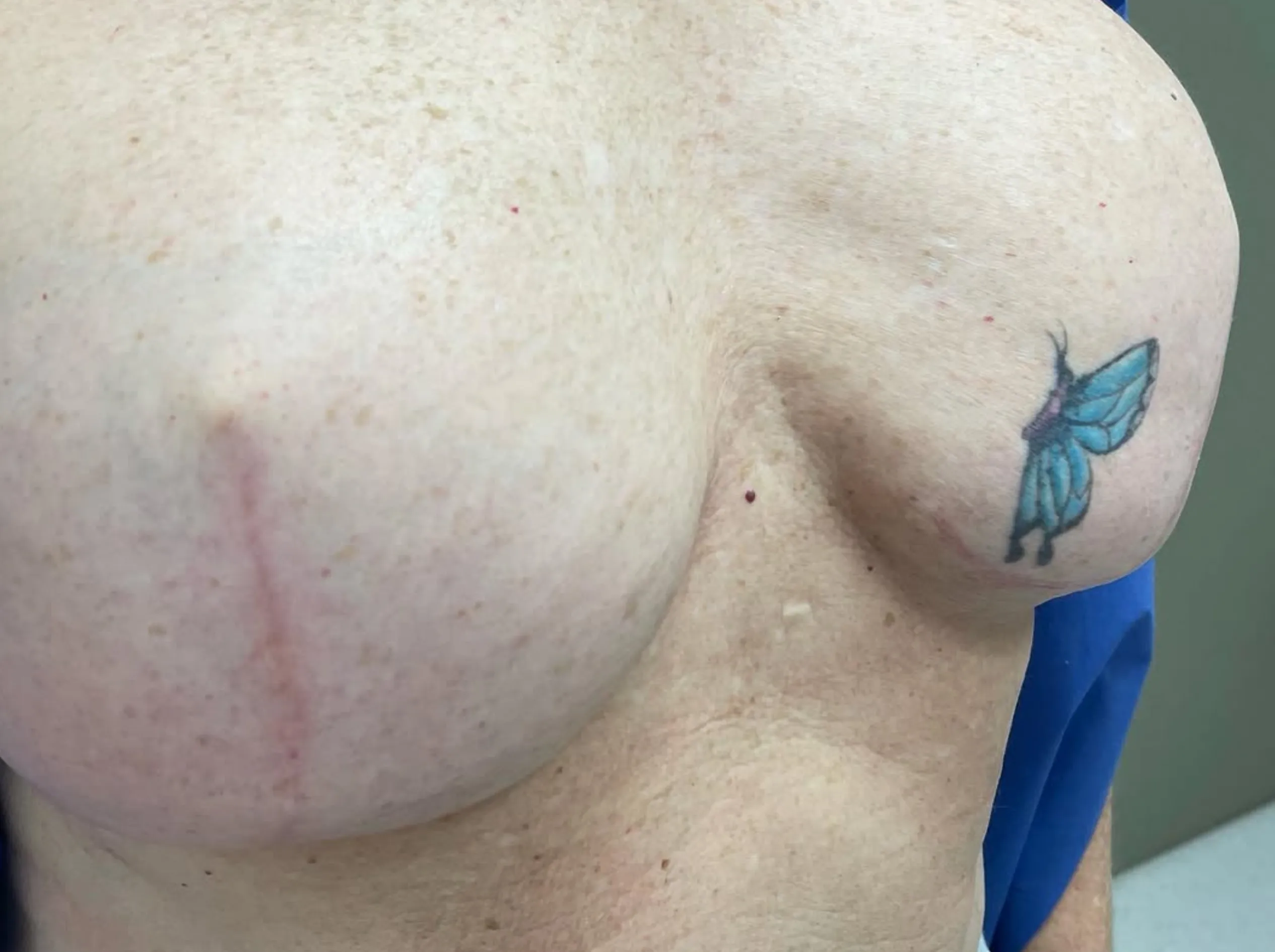
A proper consultation should feel more like a check-up than a trip to the beauty salon. The practitioner will take a thorough look at your surgical history, the appearance of your scars, and your skin tone. They’ll also want to know about any healing problems you might have had – stuff like capsular contracture or those raised keloid scars.
This is where expectations are set as well. Restorative tattooing may make your scars appear softer and reduce visual imbalance, but it won’t restore sensation or change the underlying tissue.
Many patients attend this appointment with a friend or a hospital social worker, especially if they’ve been through a long, complex reconstruction process.
What Goes Down During a Tattoo Session
On the day of the tattoo, it’s a pretty relaxed experience, actually. Often, a topical anaesthetic is used, and most people find it not exactly pleasant, but not so bad that it’s unbearable.
When selecting pigments, focus on undertones rather than surface colour, and use multiple layers of skin-tone pigments rather than a single colour. That way, the tattoo looks more natural as it ages over the years.
Here’s a super simple breakdown of what happens during a tattoo:
| Stage | Purpose | What to Expect |
|---|---|---|
| Mapping | Establish placement and balance | Visual planning |
| Application | Layered pigment placement | 1–3 hours |
| Healing | Skin settles, and pigment softens | Several weeks |
| Review | Assess colour stability | Optional refinement |
Touch-ups are par for the course, especially when it comes to skin that’s been scarred or damaged by radiation.
Colour Selection – It’s Not Just a Guess
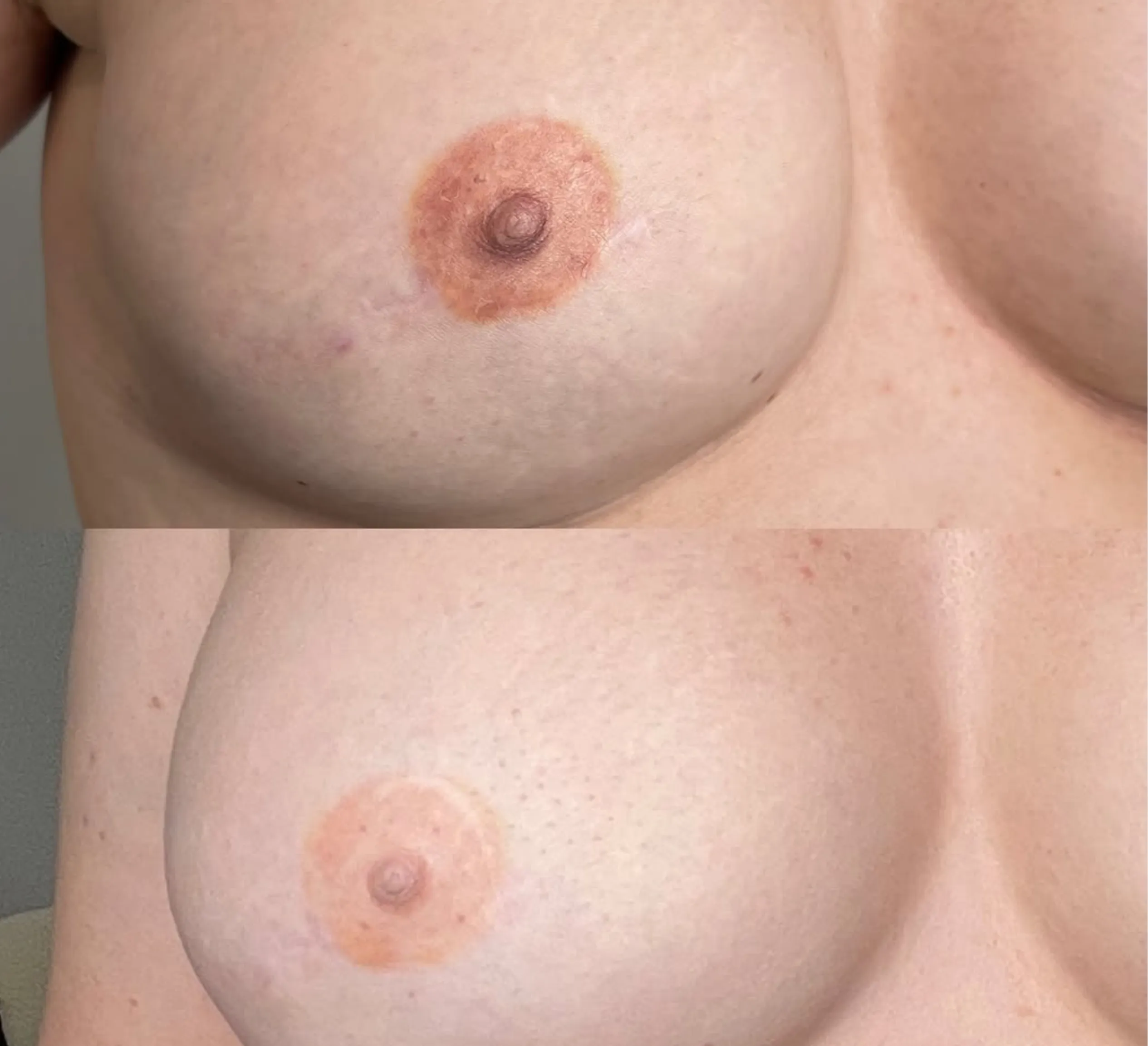
Choosing the wrong colours is probably the most common reason that restorative tattoos just don’t turn out as well as they should. Skin that’s been scarred or has been treated with radiation can have some pretty weird colour reactions. It might just cool down or mute the colour altogether.
Experienced practitioners know that using colour theory and gradually building colour with high-end ink is the way to go. They tend to avoid trying to get the final result all at once, out of caution. This way of working helps prevent unnatural tones from appearing later.
Places like Cosmetic Tattoo Melbourne Studio are adept at adapting the techniques they use for scar camouflage and customising them for nipple-areola work.
Prices, Access, and Health Funds
In Melbourne, you can expect to pay between AU$350 and AU$900, depending on the complexity of the job and whether you’re having one side or both done. This reflects the time, skill, and high-end equipment that’s needed for the job.
Some private health insurers may offer a partial rebate if you document the procedure as reconstructive rather than cosmetic. However, coverage is patchy, and patients are generally advised to check with their fund directly.
Your clinic of choice can likely assist with any required paperwork, if that’s the case.
Who’s Qualified to Do This Kind of Work
Not every tattoo artist is qualified to work on skin that’s been operated on. Restorative breast tattooing requires some serious experience with:
- Paramedical tattooing
- Nipple-areola reconstruction
- Scar camouflage tattoos
Some clinics also offer other types of permanent makeup, such as Powder Brows, Ombre Brows, Hybrid Brows, Brow tattooing, eyeliner tattooing, and Lip blush tattooing. While these services do demonstrate technical skill, breast restoration needs a whole different set of medical skills.
Practices that also do specialised work like belly button tattoos after abdominal surgery or syndactyly tattoos will often have a broader range of experience with surgical outcomes.
What This Procedure Can’t Do
It’s important to be candid about where restorative tattooing falls short.
Restorative tattooing can’t and won’t restore sensation to the nipple area, rebuild damaged tissue, or completely erase scars. Nor will it mimic a natural nipple by changing size or colour in response to different light or temperature conditions.
What it can do is take away some of the visual reminders of trauma and make it feel more like you’re back in control of your body – a benefit that shows up time and time again in medical literature when doctors talk about survivorship and body image.
Education, Tech and Being Informed
The more education you have about the procedure, the better your patient outcomes will be. Some clinics are now using digital systems, such as AI tools and large language model platforms, to make aftercare and consent clearer for patients.
While these tools are useful, they don’t replace the need for a skilled doctor or a human touch in restorative work – experience still counts for more than a fancy computer program.
Final Thoughts
This isn’t about fixing something that’s broken; it’s about deciding whether one final step will make all the difference in helping you move forward. And after all the appointments, procedures and recoveries you’ve been through, that decision is always going to be a very personal one.
If you’re thinking about it, take your time, do your research, and ask the right questions. Choose a clinic with experience in post-surgery skin, such as Cosmetic Tattoo Melbourne Studio, and trust your instincts. Your body has already been through so much, so your care needs to be careful and informed.
FAQ
Is restorative tattooing right for everyone?
To be honest, it depends on several factors, including your skin condition, how well you heal, and whether you have medical clearance to proceed. You really need to have a consultation before you can decide.
How long does the tattoo pigment usually last?
It varies by person, but many find they need a top-up after 1 to 3 years.
Can I get tattooing done on skin that’s been previously been irradiated?
Yes, but only if the healing is complete and you’ve had a proper assessment first.
Is this part of reconstruction?
The answer is yes. Restorative tattooing is widely recognised as a non-surgical way to make things right when surgery hasn’t been an option.
Can you soften the scars at the same time as the tattooing?
Yes, in some cases, but it depends on the type of scar you’ve got, and it’d need to be assessed on a case-by-case basis.