Can a regular tattoo artist do micropigmentation? Can a regular tattoo artist do micropigmentation? I get asked that more than you’d think, especially from clients in Melbourne looking at brow tattoos, lip blush and even scalp micropigmentation. The short answer? Not safely — unless they’ve done the right training and understand the specific techniques involved in this service.
If you’ve ever had a “tattoo brow” that turned too dark or met someone whose scalp micropigmentation looked like body tattooing rather than natural hair follicles, you’ll know why education and clinical precision matter. That’s why many of the best tattooists retrain through cosmetic tattoo courses to ensure they can meet the strict hygiene protocols and artistic demands of modern micropigmentation.
Contents
- 1 Micropigmentation isn’t just body tattooing
- 2 The Training Gap: Skills vs Specialised Knowledge
- 3 Common Myths
- 4 Hygiene Protocols Are Non-Negotiable
- 5 Cosmetic Tattooing as a Career
- 6 Final Thought
- 7 FAQ
- 7.1 Can a regular tattoo artist do scalp micropigmentation safely?
- 7.2 How does scalp micropigmentation differ from a hair transplant?
- 7.3 What side effects should I expect after scalp micropigmentation?
- 7.4 How do you choose the right pigment shade for scalp micropigmentation?
- 7.5 Is cosmetic tattooing a good career path for tattoo artists?
Micropigmentation isn’t just body tattooing
Body tattooing and cosmetic micropigmentation may look similar on the surface, but the differences run deep — literally. A traditional tattoo artist works in the dermis using permanent inks designed for bold, lifelong designs. Cosmetic tattooing targets the upper dermis with special pigments that fade over time.
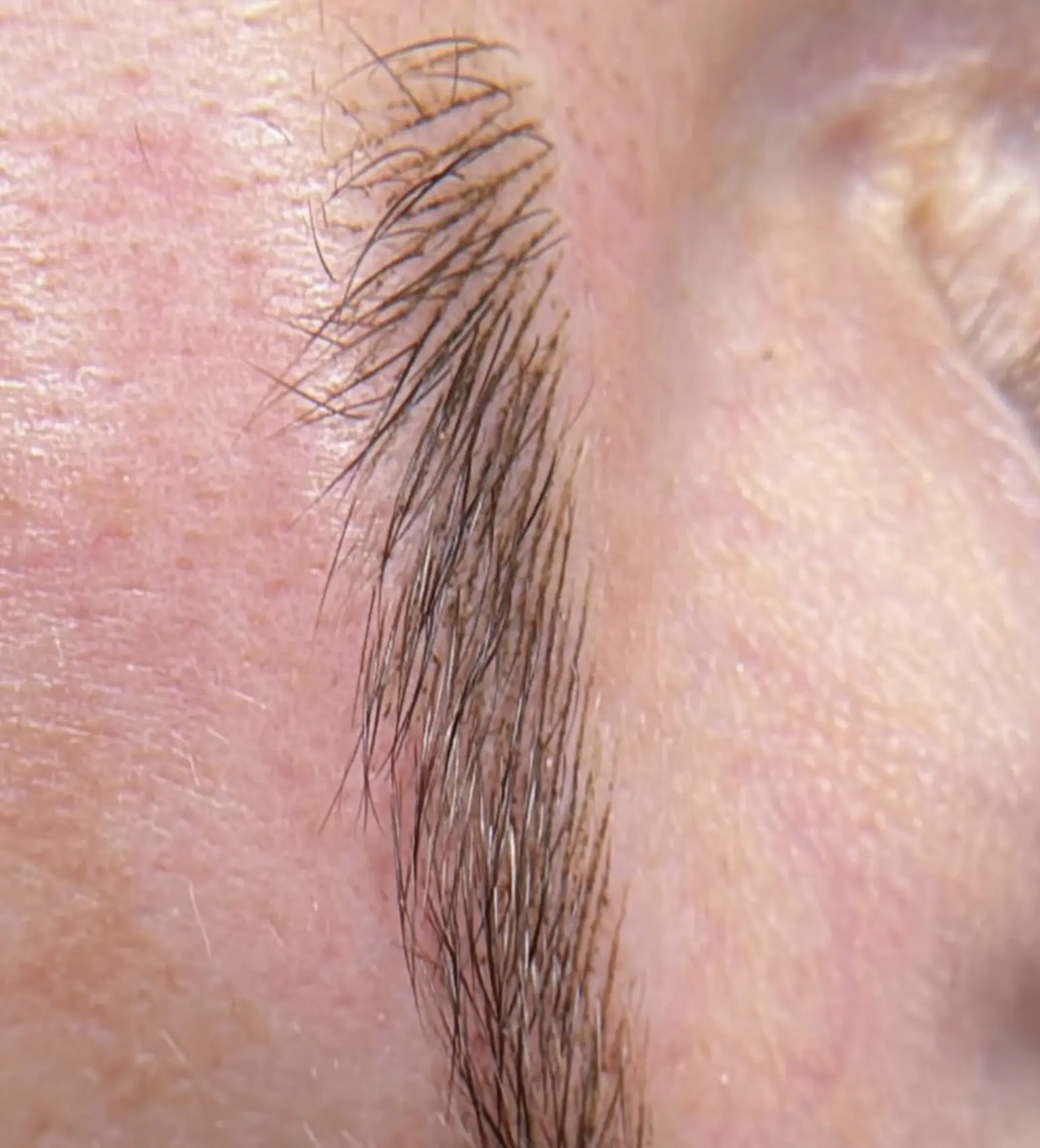
Take scalp micropigmentation as an example. Instead of shading large designs, we use dot size control and proper pigment shade selection to replicate the look of hair follicles. For brows, techniques taught in eyebrow tattoo courses cover hairline placement and pigment shade selection so results are soft, flattering and realistic.
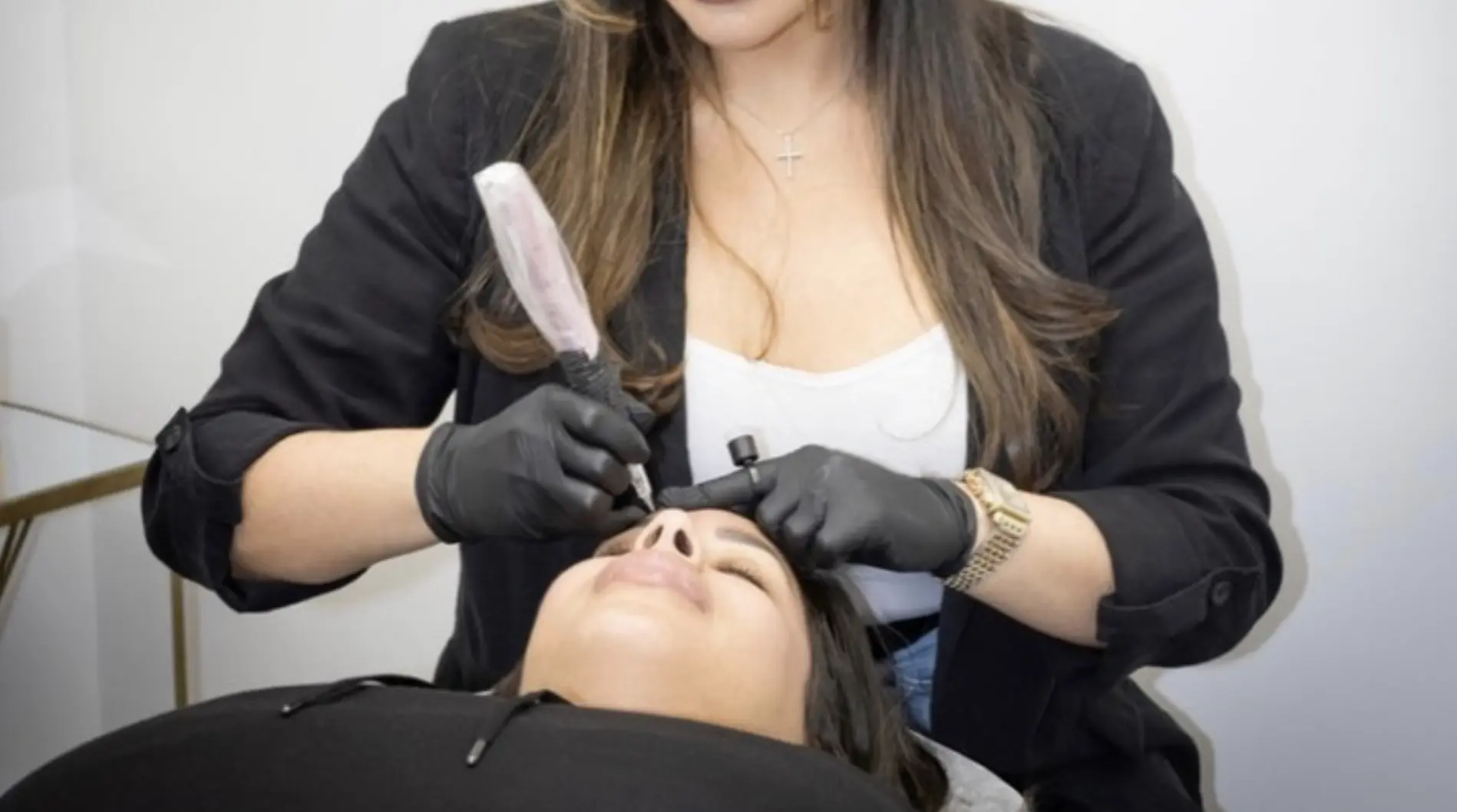
At Face Figurati, I always say: cosmetic tattooing isn’t about creative freedom like a sleeve tattoo. It’s about precision, subtlety and achieving results that look like natural Permanent makeup.
The Training Gap: Skills vs Specialised Knowledge
Some clients assume a tattoo artist ready to pick up a PMU machine can jump straight into cosmetic work. While body tattooing experience provides transferable skills — like machine control and steady hands — it’s not enough for safe cosmetic outcomes.
That’s why many artists transition into cosmetic tattooing by enrolling in a permanent makeup course. These structured programs cover pigment colour theory, machine calibration, client consultations and education on scalp anatomy.
| Area of Expertise | Tattoo Artist Background | Cosmetic Micropigmentation Requirements |
|---|---|---|
| Machine Use | Strong machine control | Proper machine calibration for the upper dermis |
| Pigment Knowledge | Tattoo inks (bold colours) | Specialised pigments for natural pigment colour |
| Anatomy | Basic skin structure | Detailed education on scalp anatomy & skin types |
| Hygiene | General hygiene protocols | Strict facial & scalp hygiene protocols |
| Planning | Freehand artistic expression | Hairline mapping & clinical precision |
| Risk Awareness | Focus on ink longevity | Medical screenings for active scalp conditions, autoimmune conditions, and keloid scarring |
In 2025, the Australian Cosmetic Tattooing Trends Report showed a 40% rise in clients choosing scalp micropigmentation as a non-invasive and low-risk alternative to hair transplants. That rise directly correlates with an increase in enrolments for advanced cosmetic tattoo courses, proving that education is essential to meet demand.
Common Myths
- “It’s just like a tattoo.”
Not true. Cosmetic scalp work requires correct depth in the upper dermis, not the deeper layers targeted by body tattooing. - “Any tattoo artist can do it.”
Machine control helps, but without a cosmetic tattoo course, results will look unnatural and uneven. - “Scalp micropigmentation is permanent.”
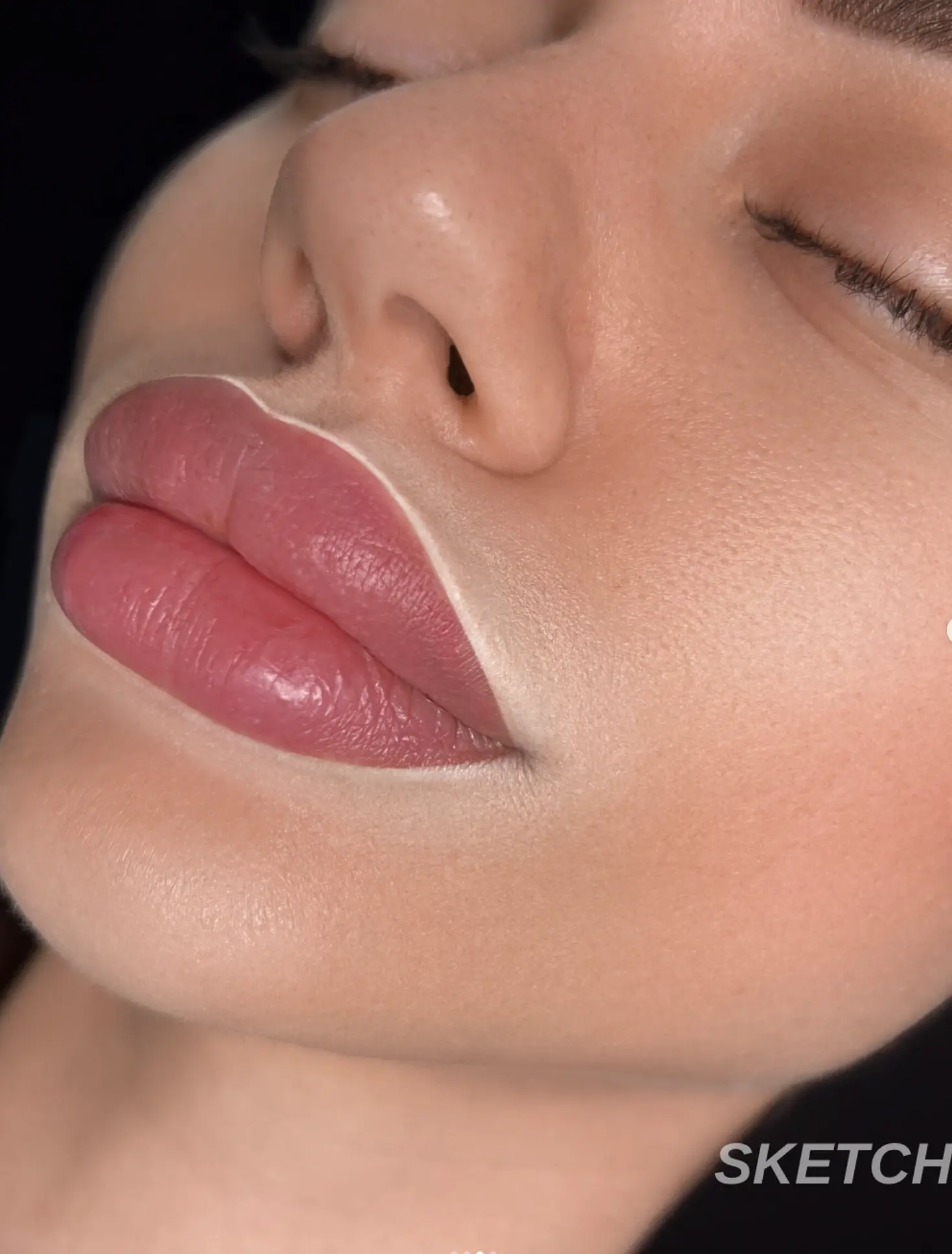
It’s semi-permanent. Like brow tattoos and lip blush, pigments fade gently over the years, allowing for safe adjustments. - “Side effects are severe.”
Most clients only experience mild swelling or light scabbing, both of which resolve quickly with proper aftercare.
Hygiene Protocols Are Non-Negotiable
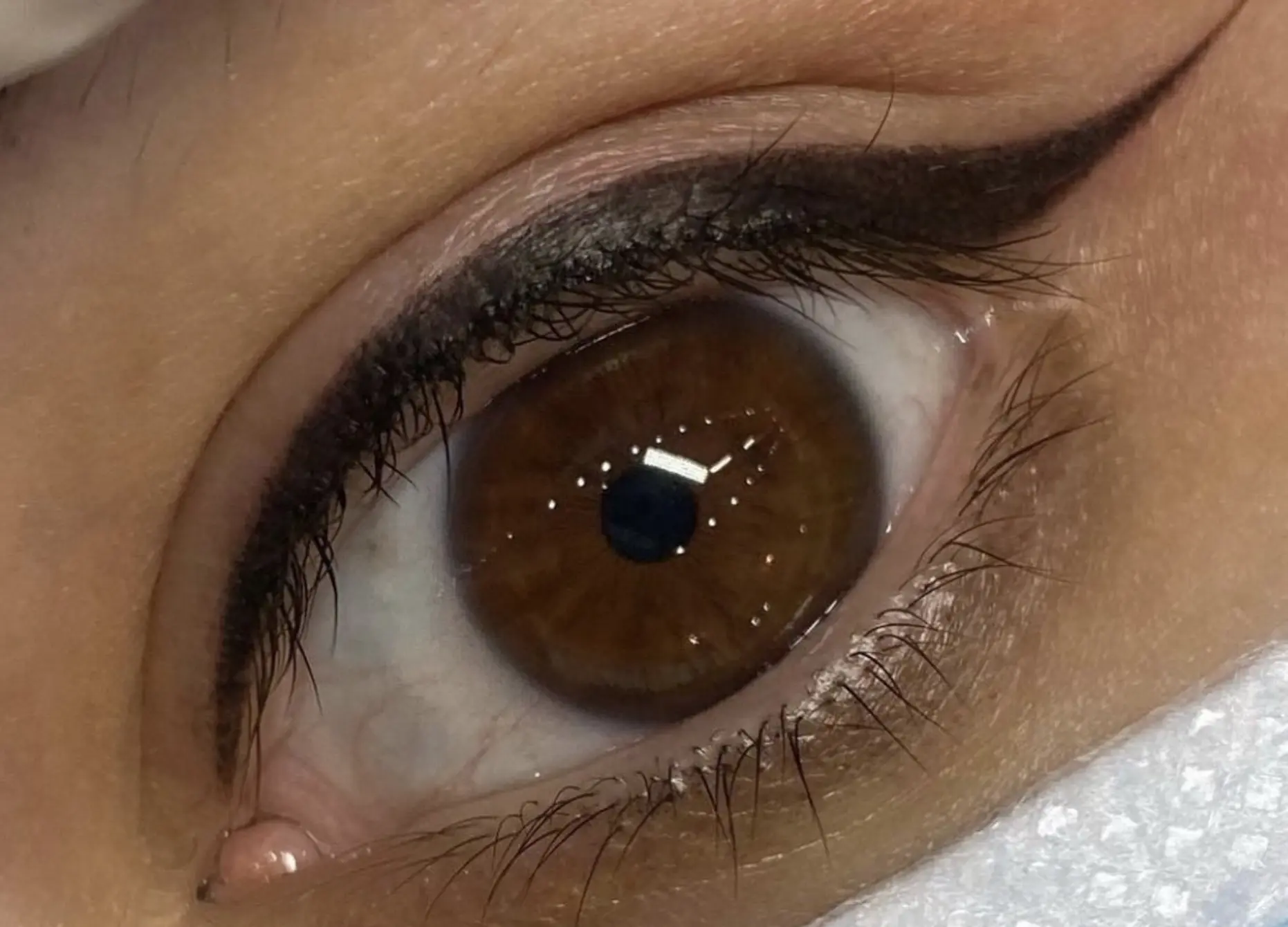
When working with the scalp or facial areas, hygiene protocols must go beyond standard tattoo shop practices. Cosmetic treatments require:
- Machine calibration for correct depth — too deep, and pigment spreads; too shallow, and it fades quickly.
- Sterile, single-use needles to prevent infections.
- Infection control to protect sensitive scalp tissue.
It’s training, like that offered in eyebrow tattoo courses and advanced SMP modules, that ensures artists master these crucial techniques.
Cosmetic Tattooing as a Career
For tattoo artists looking to go cosmetic, micropigmentation can be a great career path — but only with the right foundation.
That foundation nearly always comes through enrolling in a permanent makeup course. These programs teach proper hygiene, skin type assessment, accurate hairline design and the artistic balance for natural results.
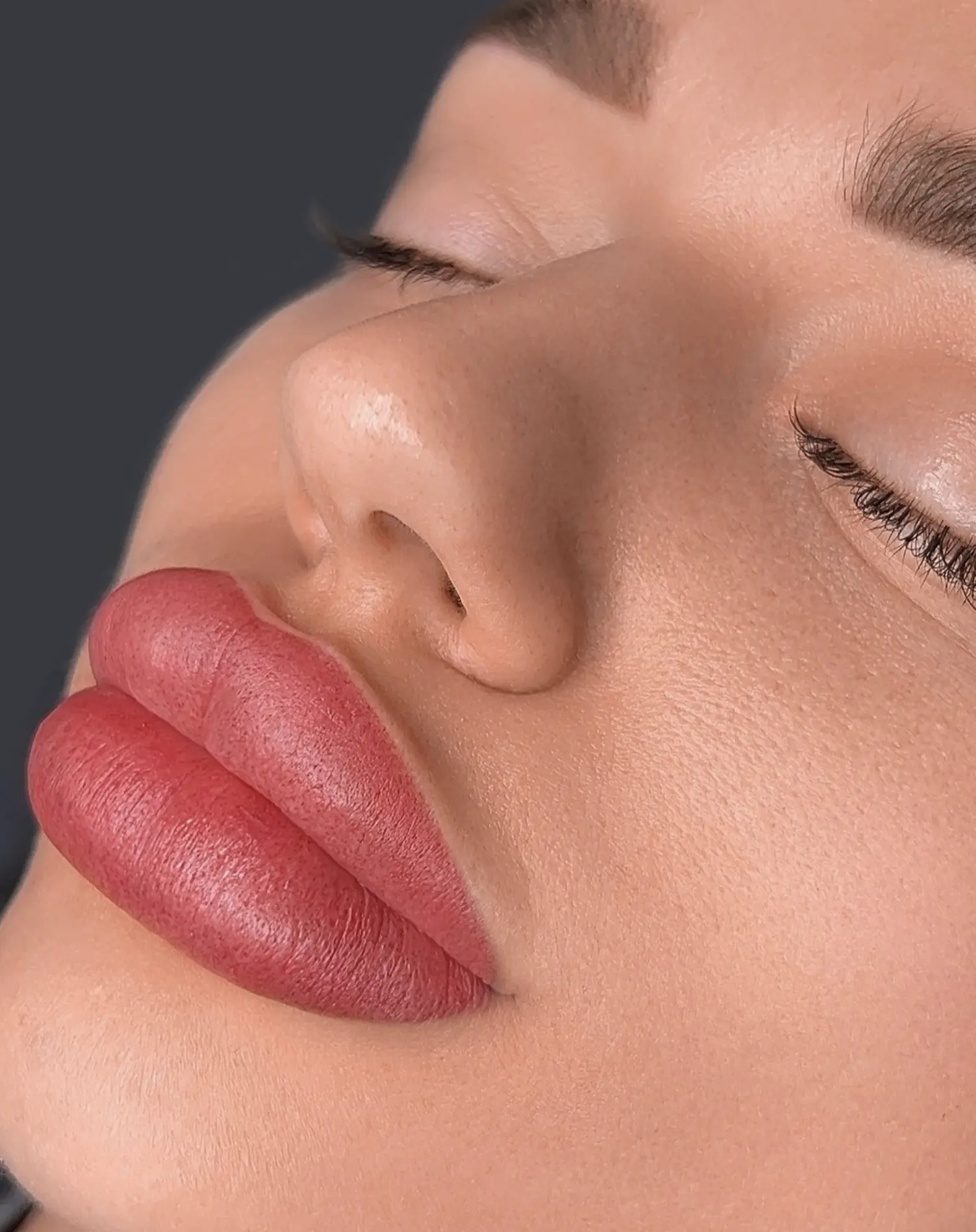
The payoff? Clients often say their new brows, lips or scalp treatments are life-changing — a real confidence boost. For artists, it means entering a cosmetic career path with a high success rate and high demand in wellness settings.
Final Thought
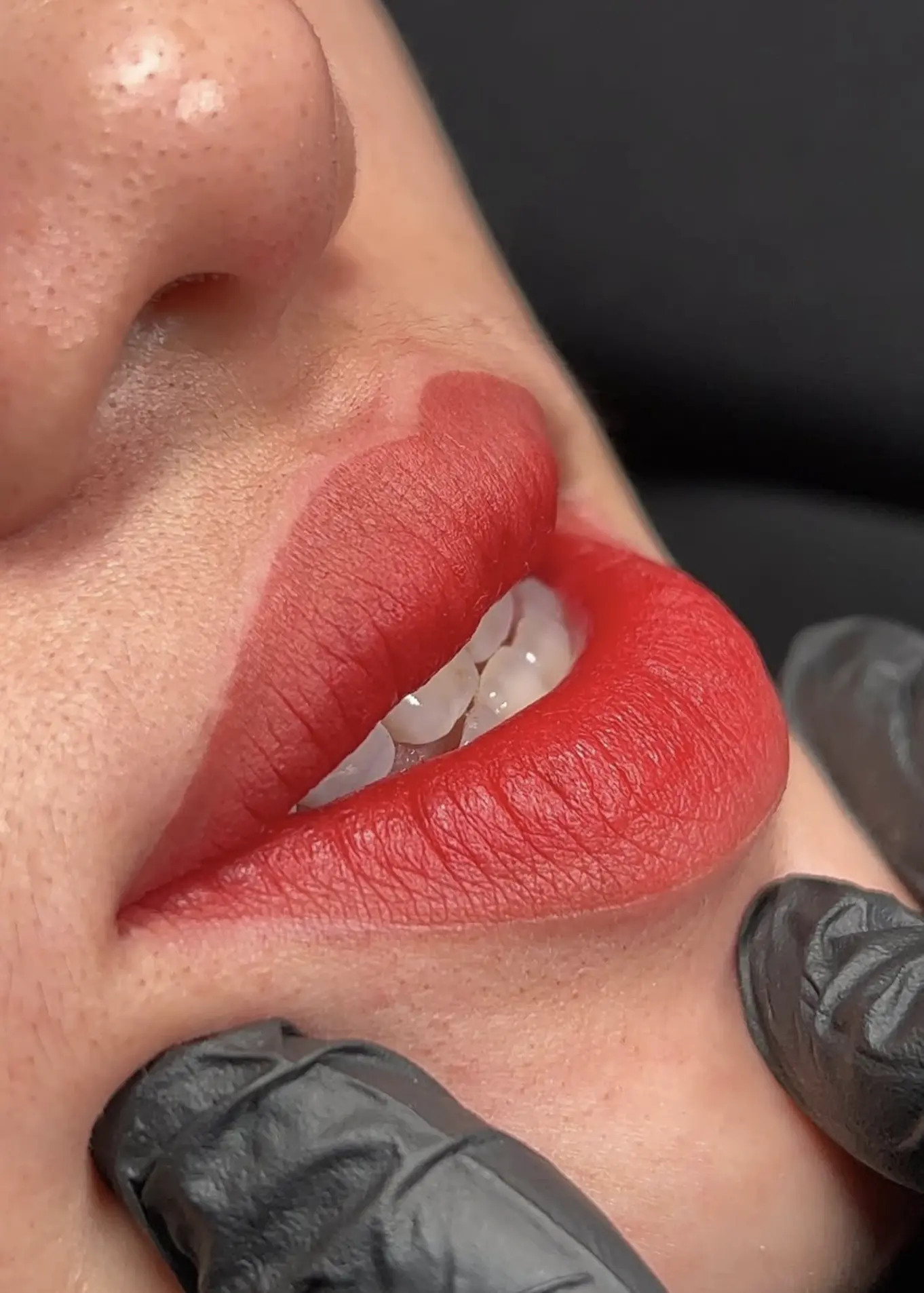
So, can a regular tattoo artist do micropigmentation? Not without proper training. Whether you’re looking to do cosmetic scalp work, lip blush or brows, always choose a professional who has completed permanent make-up training through accredited courses.
Still have questions? Pop into Face Figurati Cosmetic Tattoo Studio in Melbourne — I’m always happy to share my experience and discuss your options for safe, natural Permanent makeup results.
FAQ
Can a regular tattoo artist do scalp micropigmentation safely?
Not without specialised training. While tattooing experience helps, SMP requires proper hygiene protocols, education on scalp anatomy and structured cosmetic tattoo courses.
How does scalp micropigmentation differ from a hair transplant?
Hair transplants move real follicles, and SMP creates the look of hair using pigments in the upper dermis. SMP is non-invasive and low risk compared to surgery.
What side effects should I expect after scalp micropigmentation?
Most clients only experience mild swelling and light scabbing. These temporary side effects heal within a week if the client follows the aftercare instructions.
How do you choose the right pigment shade for scalp micropigmentation?
A trained cosmetic tattooist, often through eyebrow tattoo courses and SMP training, learns to match pigment shade to skin tone and existing hair colour.
Is cosmetic tattooing a good career path for tattoo artists?
Yes — enrolling in a permanent makeup course is the first step. With proper training, practice on models and a focus on hygiene and client consultations, it’s a great career path.