The Great Ocean Road is one of Australia’s most famous coastal drives, 240km along the southeastern coast from Torquay to Allansford. This stunning coastline has cliffs, beaches, rainforests and rock formations like the Twelve Apostles and London Arch.
But many international tourists and road trip enthusiasts ask: Is the Great Ocean Road hard to drive? The answer depends on road conditions, driving experience and left hand driving. This guide will help you prepare for a smooth ride.
Contents
Road Conditions & Driving Challenges
The Great Ocean Road is a coastal road with winding roads, sharp bends and steep sections. Here’s what to expect:
- Curvy Roads & Cliffs – Lorne, Wye River and Cape Otway National Park have tight bends and cliffs with no room for error.
- Left Hand Driving – In Australia we drive on the left side, which can be tricky for visitors from right hand driving countries.
- Tourist Traffic – This popular tourist spot is busy, especially around major towns like Apollo Bay and Port Campbell.
- Weather – Rain, fog and strong winds from the Southern Ocean can make the road slippery.
Driving Tip: If you don’t like coastal roads, take the inland route between major stops like Lorne, Port Campbell and Port Fairy.
Best Stops & Scenic Highlights
A road trip along the Great Ocean Road is stunning and full of natural wonders at every turn. Don’t misses these top attractions:
Iconic Coastal Landmarks
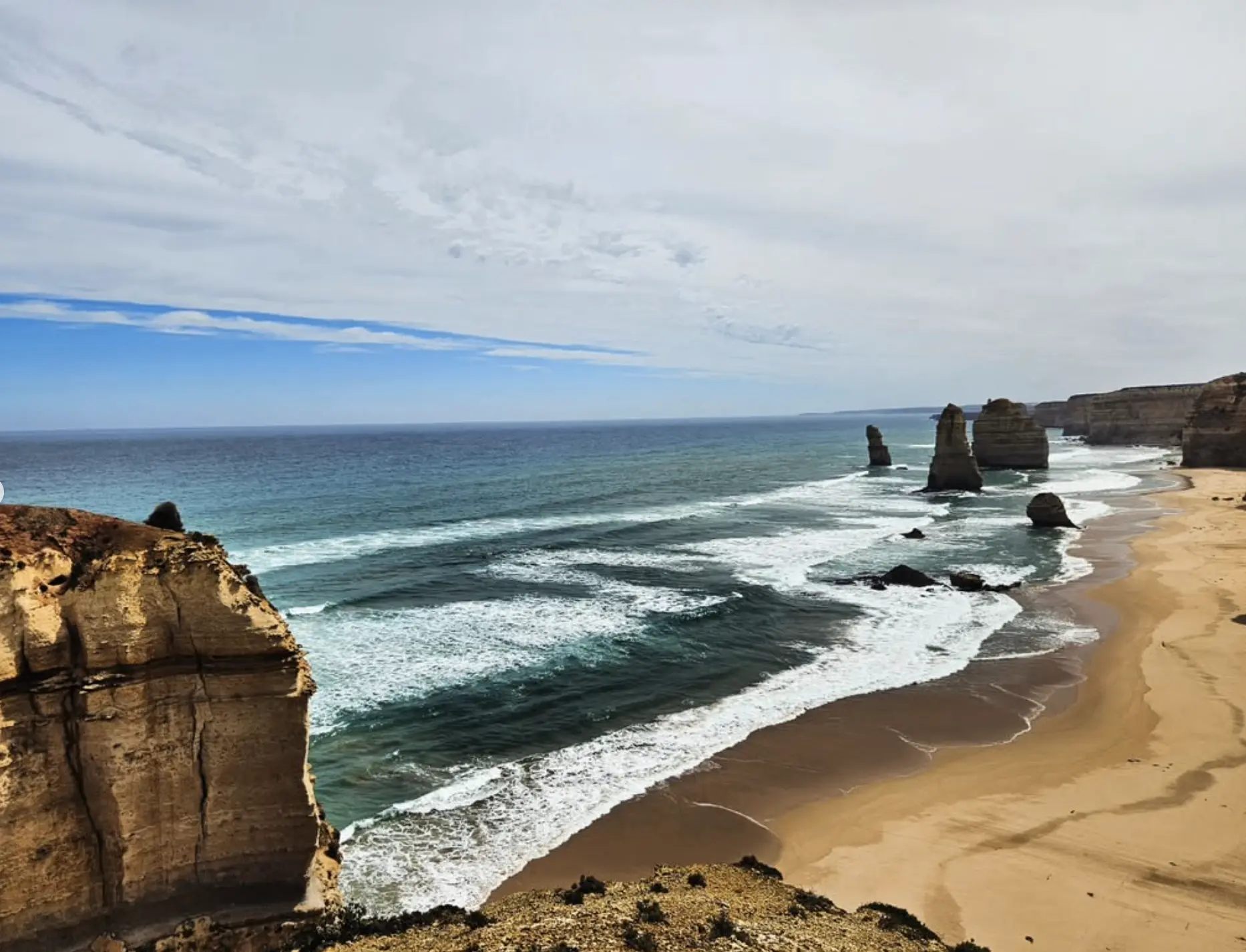
- Twelve Apostles – A stacks of limestone rising out of the ocean. Book a Twelve Apostles tour to learn about the history and geology of these famous rock formations.
- London Bridge & London Arch – Famous rock formations in Port Campbell National Park, with breathtaking views.
- Bay of Islands – Less well known but just as dramatic coastline with massive rock stacks.
Rainforests & National Parks
- Otway National Park & Maits Rest Rainforest Walk – Home to ancient rainforests and nature trails.
- Triplet Falls & Hopetoun Falls – Waterfalls in Cape Otway National Park.
- Port Campbell National Park – A must do on any Great Ocean Road trip, home to the Twelve Apostles, Loch Ard Gorge and the Grotto.
Wildlife & Nature Spotting
- Kennett River Koala Walk – A popular spot to see wild koalas in their natural habitat.
- Tower Hill Wildlife Reserve – Great for kangaroos, emus and native flora.
Beaches & Surf Spots
- World famous Bells Beach – A beach lovers paradise and a must visit for experienced surfers.
- Johanna Beach & Gibson Beach – Less busy beaches with incredible views and beach access.
Driving Tip: Allow plenty of time to stop and enjoy these stunning spots, you won’t have time to see them all in a couple of hours.
Best Time to Visit the Great Ocean Road
The best time to visit the Great Ocean Road depends on what you want:
- Summer (December–February) – Warm weather, perfect for beaches but expect big crowds.
- Autumn (March–May) – Fewer tourists and mild weather, ideal for a relaxed drive.* Winter (June–August) – Beautiful coastal views with misty landscapes, roads can be icy.
- Spring (September–November) – Green landscapes and wildflowers, photographer’s heaven.
For the best experience book a Great Ocean Road Sunset Tour to see the Twelve Apostles at sunset, perfect for photos.
Should You Join a Tour or Drive Yourself?
Not sure about self driving? Book a Great Ocean Road tour. Benefits include:
- No Navigation Stress – Tours follow the best coastal road routes.
- Safe & Relaxed – No need to worry about winding roads or wild life.
- Expert Insights – Learn about natural landscapes, rugged cliffs and historical sites.
If you’re planning a romantic getaway or special photography trip, a Great Ocean Road Sunset Tour is a great way to see the region at sunset.
But if you love road trips and want to go at your own pace, renting a car and driving yourself gives you total flexibility.
Weather and Road Conditions
Weather plays a big part in how easy or hard the drive is.
- Rain & Fog – Winter (June–August) the road can be slippery and foggy.
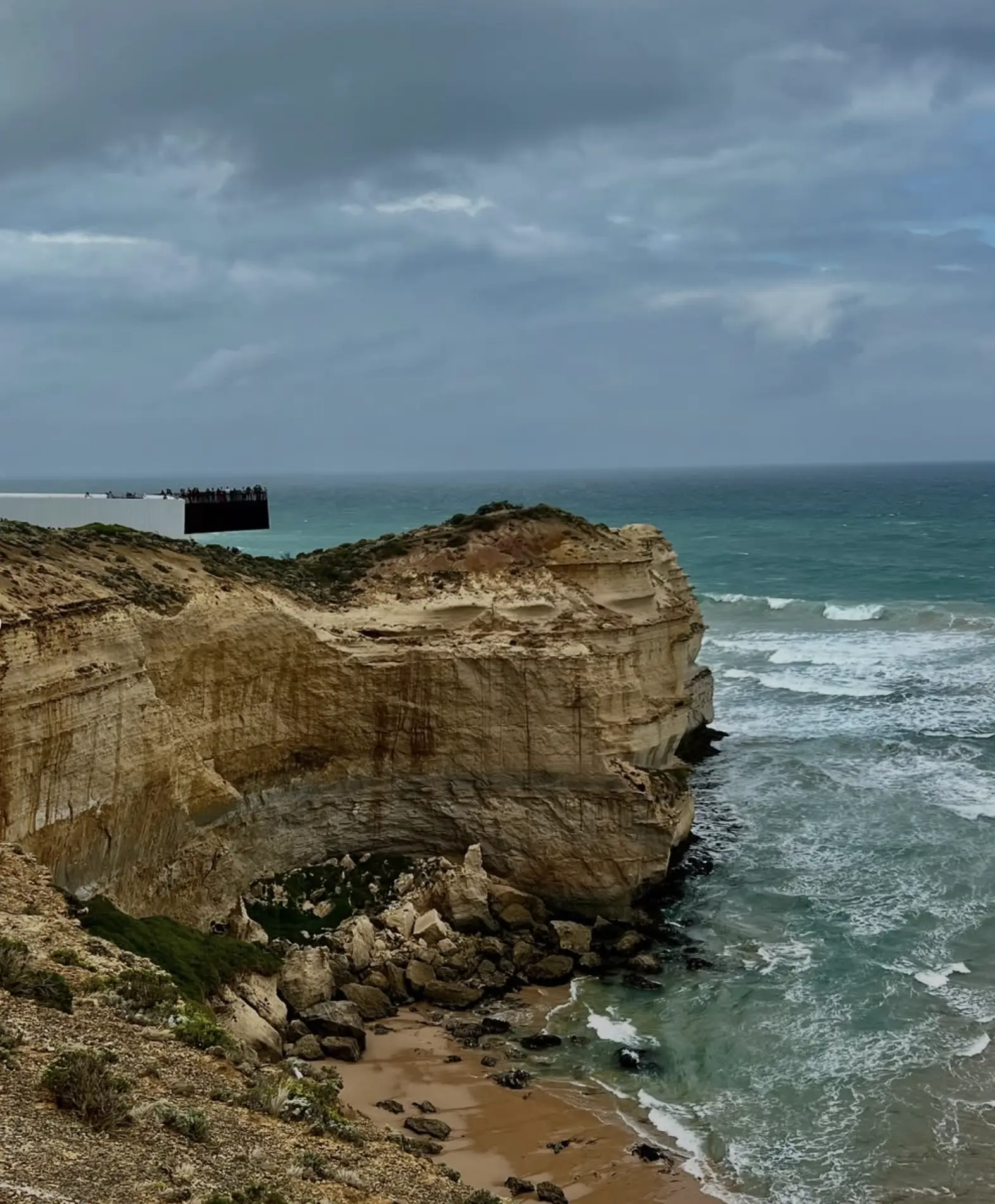
- Strong Winds – Coastal winds can be fierce especially in open sections near cliffs.
- Summer Heat – Summer (December–February) is the best weather but also the busiest so longer travel times.
Tip: Check the weather forecast before you go and avoid driving at night due to no street lighting and wildlife crossing.
Pro Tips for a Safe and Enjoyable Drive
Leave Early – Get up and out in the morning to see beautiful views without crowds.
Take Your Time – Speed limits are 50–100 km/h but coastal cliffs and cliff tops require extra caution.
Use Viewing Platforms – Stop at great viewing points along the way for stunning views.
Watch for Wildlife – Nature lovers keep an eye out for koalas, kangaroos and abundant flora.
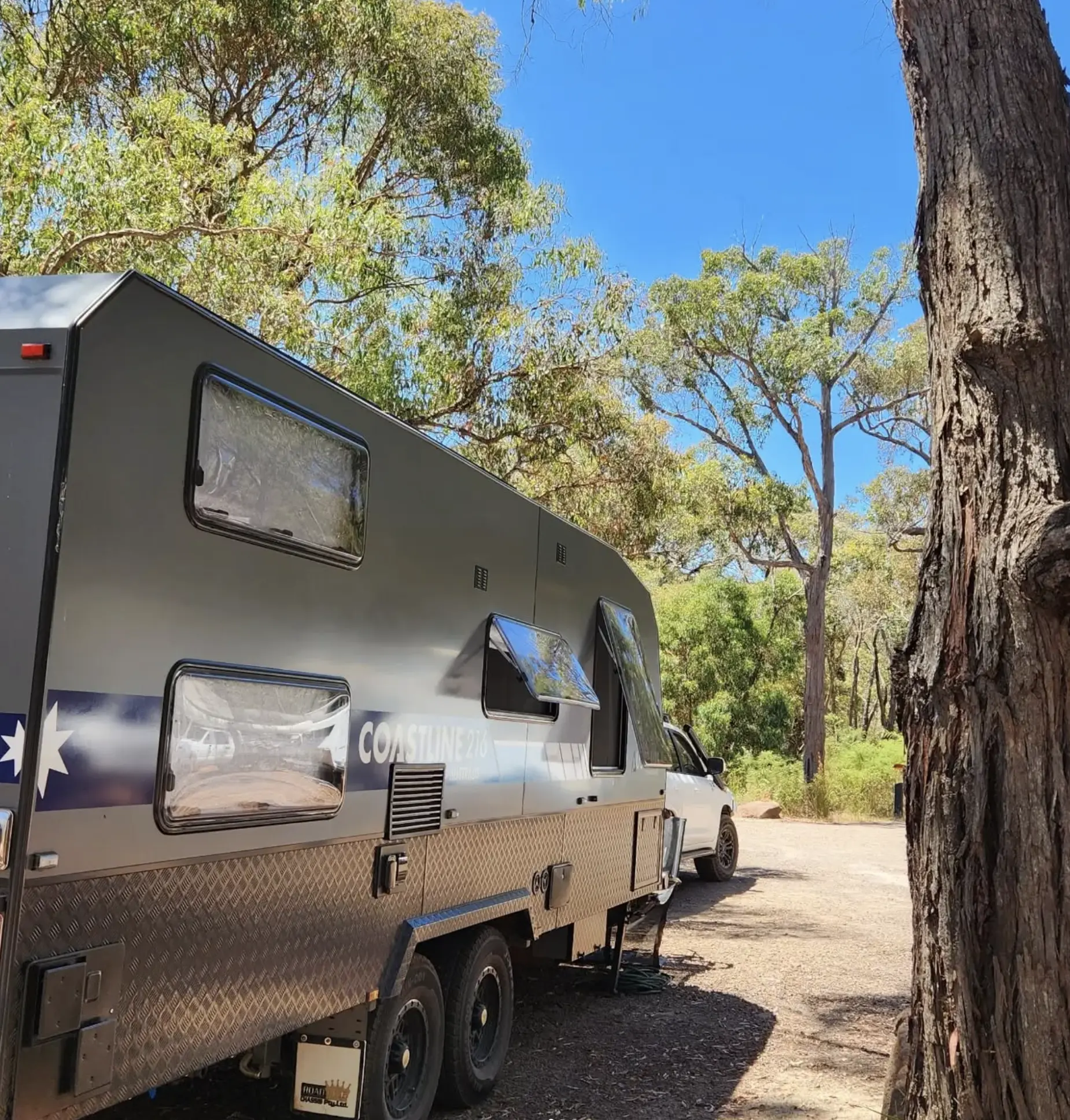
Stay in Charming Towns – Consider beachside campsites or campsite lodges in Apollo Bay, Port Campbell or Port Fairy.
Need a break? Stop at the Ocean Road Brewhouse for a meal or grab some ice cream in a seaside town like Anglesea or Eastern View.
Final Verdict
Driving the Great Ocean Road isn’t hard, but you need to be cautious, patient and have experience with coastal drives. If you’re a confident driver, it’s a wow experience with stunning landscapes, coastlines and natural wonders.
But if you’re not used to left side driving or worried about winding roads a guided tour might be better.
Frequently Asked Questions
Is driving on the Great Ocean Road hard for first timers?
Driving on the Great Ocean Road can be tough for first timers, especially if you’re not used to left side driving, narrow roads and steep cliffs. But if you drive carefully, take breaks and plan your route it can be fun.
Is the Great Ocean Road safe to drive?
Yes the Great Ocean Road is safe for experienced drivers, but it has sharp bends, cliffs and unpredictable weather. Drive carefully especially in rain or fog.
How long does it take to drive the Great Ocean Road?
Driving straight through takes 4-5 hours, but to fully enjoy the experience it’s best to take 2-3 days.
Do I need 4WD to drive the Great Ocean Road?
No, the road is sealed and a standard car is enough. But if you plan to go off road a 4WD might be useful.
What’s the best time to visit the Great Ocean Road?
Best time to visit is autumn (March-May) and spring (September-November) when the crowds are smaller and the weather is good. For sunset lovers a Great Ocean Road Sunset Tour is the way to go.