So you just left the tattoo chair with a fresh fine line design and noticed your ink looking bolder the next day? You’re not alone — and you’re not in trouble. “Do fine line tattoos get darker as they heal?” is one of the most common questions I get in my Melbourne tattoo shop, especially from first timers with single needle work. Spoiler: it’s all part of the tattoo process. But let’s break down exactly why that happens, how it should look and when to raise an eyebrow (pun intended).
Contents
The colour rollercoaster of healing ink
Healing skin plays tricks on your eyes, especially in the first week.
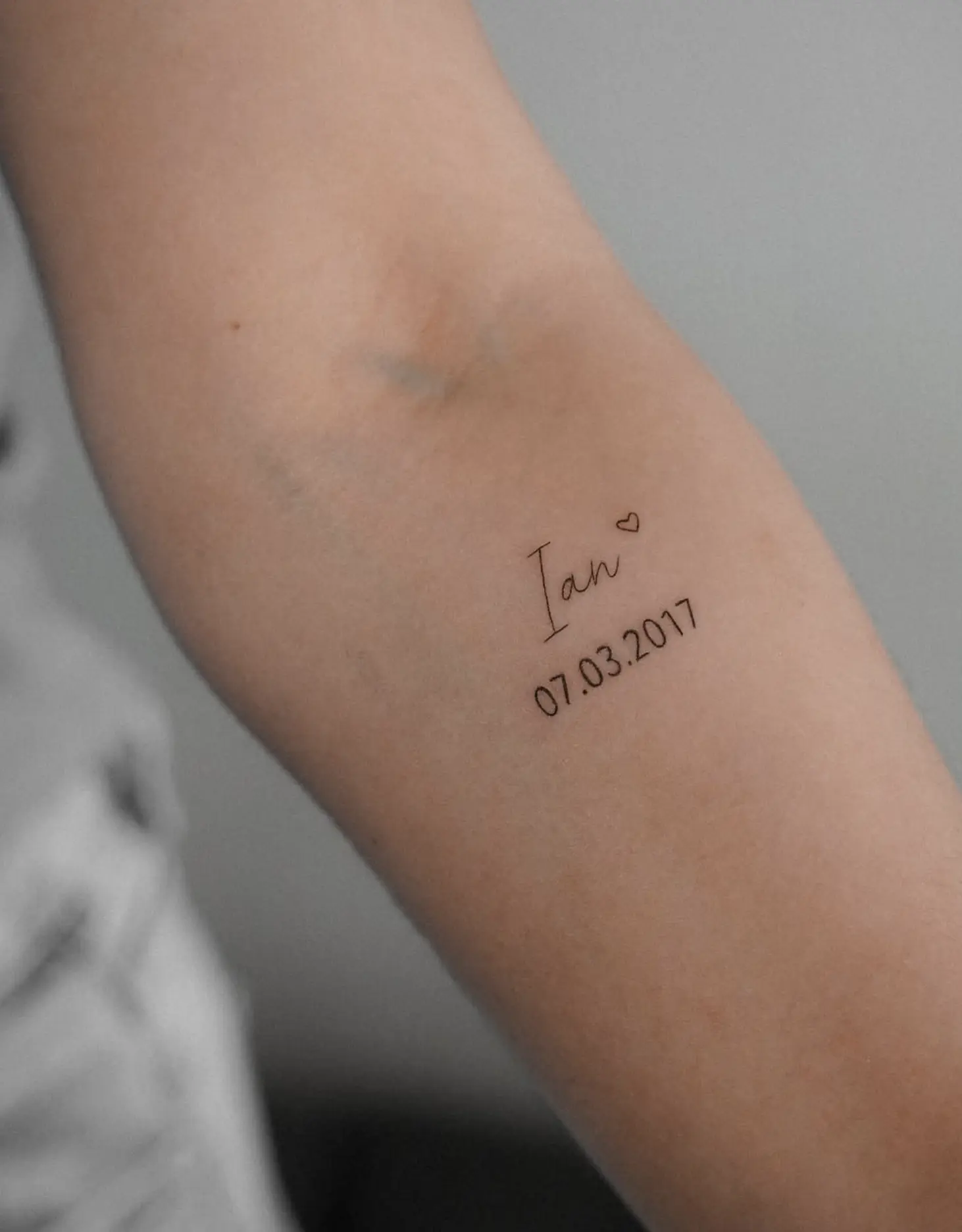
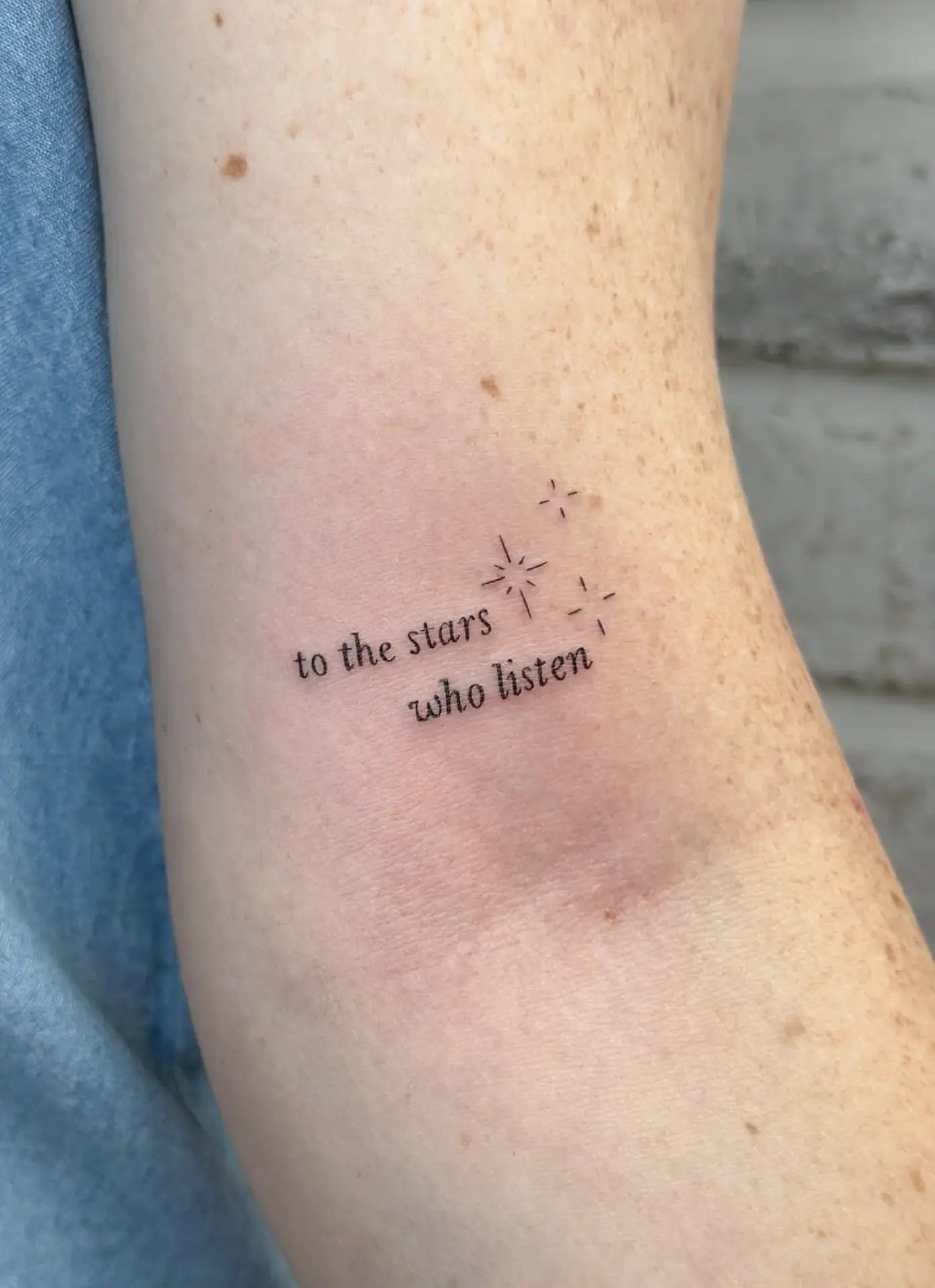
The first few days after your fine line tattoo session can be confusing. Straight out of the studio, your design looks crisp and slightly raised. But 24-48 hours later, you might swear it’s darker, thicker or even smudged. Don’t panic. Here’s what’s going on:
- Inflammation: Fresh tattoos cause slight swelling, which makes line work look bolder
- Plasma and lymph: Your body pushes fluid to the surface to heal and creates a sheen that intensifies pigment appearance
- Scabbing: Thin scabs start to form around days 2-3 and can look darker than your final healed work
- Oxidation: Tattoo ink oxidises when exposed to air and UV rays and temporarily deepens in colour
The takeaway? A slight darkening in the early healing stages is expected with fine line tattoos, especially those done with black ink, geometric shapes, or script designs with a single needle. It doesn’t mean your tattoo artist went too deep or that your tattoo is botched. If you’re unsure whether you had a fine line tattoo or a more traditional style, always ask your cosmetic tattoo artist to walk you through the process.
When fading kicks in
Your body knows what it’s doing — let it flake and fade naturally.
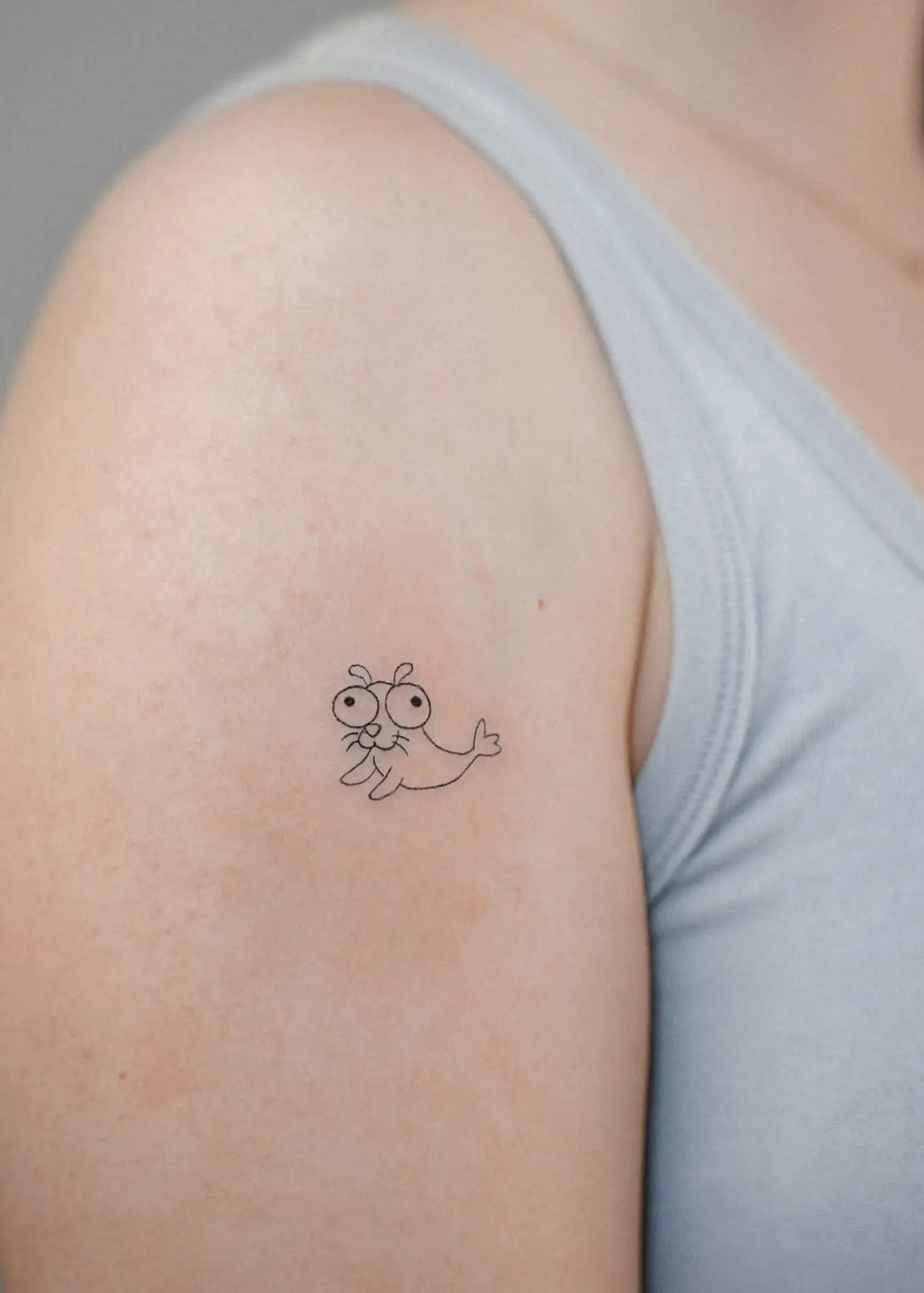
Around day 5 to 7, you’ll likely start to see flaking or peeling (like a mild sunburn). This is a good sign. Underneath, your new tattoo may look milky, patchy or faint — that’s normal. This is where people sometimes panic that their tiny tattoos or micro tattoos are “disappearing.”
What’s happening:
- Dead skin is shedding and taking excess ink or scab material with it
- A healing layer of skin (called the epidermis) temporarily dulls the pigment beneath
- Fine line work, by nature, is more delicate and tends to soften earlier than traditional styles
As a permanent makeup artist, I’ve seen countless designs go through this same healing curve — what looks faded at week two can bounce back beautifully by week six.
Don’t skip your healing routine
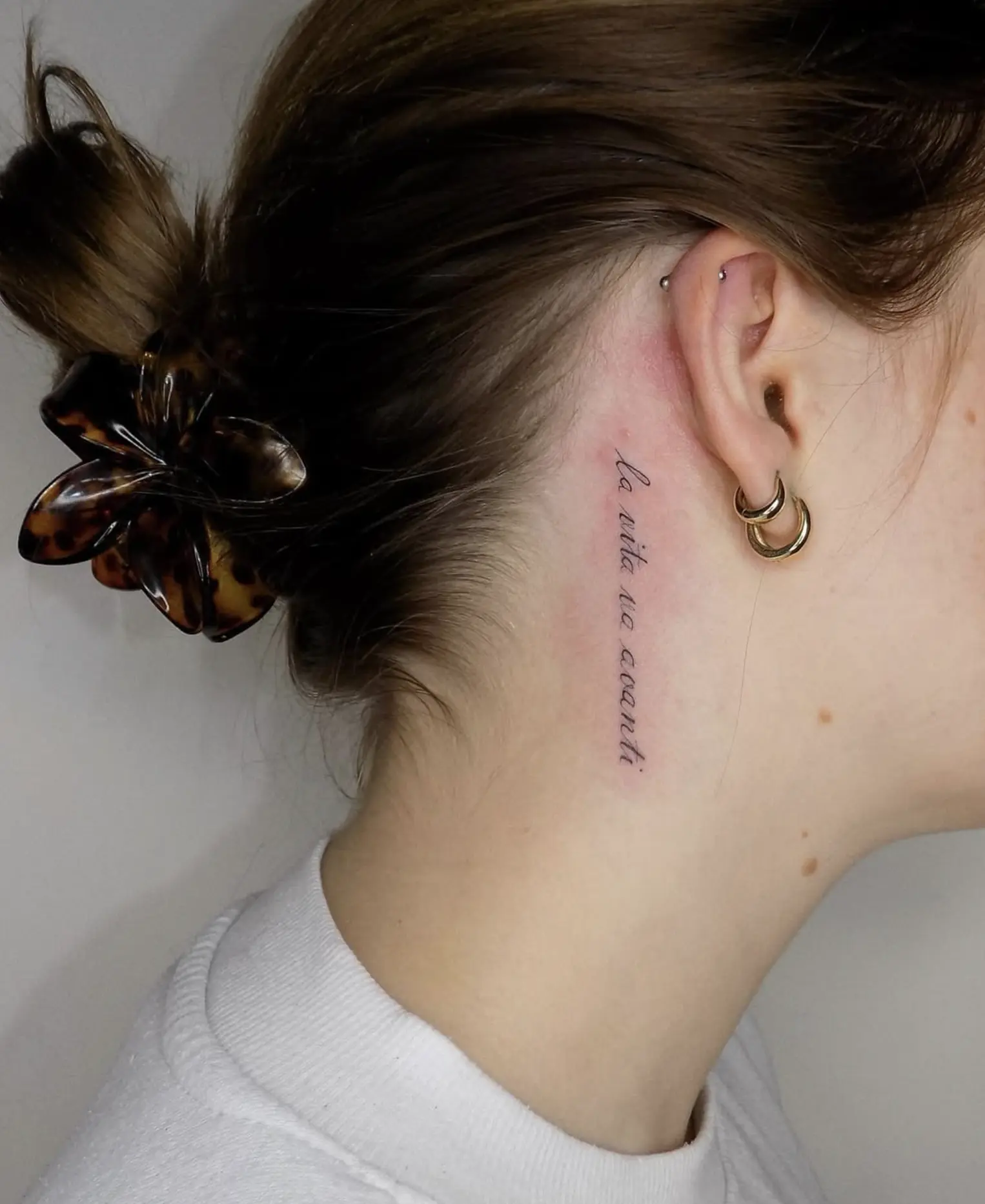
How you treat your skin post-session matters more than you think. Even the cleanest, sharpest line work can heal poorly without proper tattoo aftercare. At Face Figurati Cosmetic Tattoo Studio, I always give clients a simple but strict healing plan. Here are the key steps:
Healing Checklist:
- Keep it clean and dry for the first 24 hours
- Wash gently with fragrance-free antibacterial soap
- Apply a thin layer of aftercare lotion (nothing heavy or petroleum-based)
- Avoid sun exposure, swimming, saunas and sweaty workouts
- Never pick, peel or scratch the scabs
Most single-needle tattoos reach their final appearance after 4 to 6 weeks. That’s when I recommend booking a follow-up to check your touch-up policy if needed, especially for detailed script designs or areas like the inner forearms or upper ribs.
Many clients ask if taking a fine line tattoo course will help them understand their own healing better, and honestly, it can be helpful if you’re curious about the technique and tattoo process.
Skin type and placement affect healing
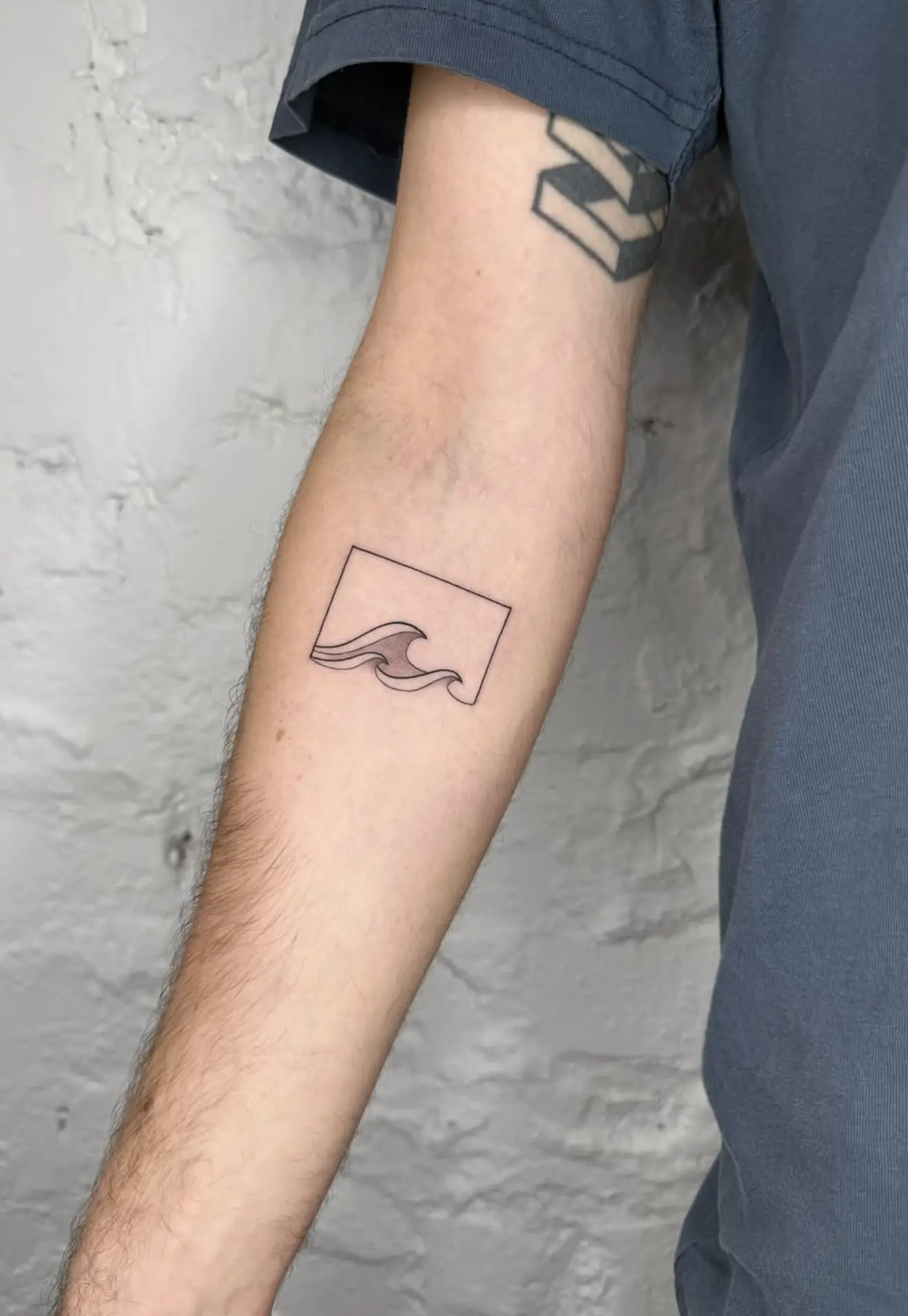
Not all bodies (or body parts) behave the same. Here’s where it gets personal. Your skin tone, skin type, oiliness, age and even your immune system all play a role in how your ink settles. Let’s compare a few scenarios:
| Skin/Placement Type | What to Expect During Healing |
|---|---|
| Oily skin | Lines may blur slightly; sebum disrupts healing |
| Dry or sensitive skin | Higher risk of flaking; pigment may appear patchy |
| Inner forearms | Heals faster, generally retains crispness |
| Upper ribs or feet | Prone to fading due to movement/friction |
| Mature skin (50+) | Longer healing, thinner skin may retain less ink |
This is where your tattoo artist matters. A seasoned cosmetic tattoo artist will always consider your individual skin type and placement area before starting a fine line tattoo.
When darkness isn’t normal
Spotting trouble signs early means easier corrections. Some darkening is part of the normal tattoo aging process, but these signs suggest something might be off:
- Lines look blown out (blurry halos or smudged edges from ink not staying ink deep enough)
- Scabs are thick, raised or leaking fluid
- Redness or heat lingers beyond day 4
- Itching turns into burning or severe pain
In my Face Figurati Cosmetic Tattoo Studio in Melbourne, we see the occasional blowout, usually when someone books with an inexperienced tattoo artist or tries a design after a basic fine line tattoo course without proper practice. (Pro tip: apprentice work belongs on fake skin, not yours.)
Other concerns? Delayed healing, swelling or potential bloodborne infections. Always check in early.
How pigment chemistry plays a role
The science of colour shifts during healing. Pigment composition makes a big difference in how a fine line tattoo heals. Black ink, the most common choice for single-needle tattoos, contains carbon-based molecules that oxidise quickly, often deepening temporarily before softening.
Coloured inks, especially reds, pastel colour schemes and lighter tones, may appear darker when scabs form, then fade more visibly in the peeling stage. It’s not uncommon for clients to blame it on the pigment brand, but often it’s just normal healing.
Whether it’s a bold design or a subtle fine line tattoo, using quality pigments suited to your skin tone makes all the difference. At Face Figurati, I use only hypoallergenic pigments that are EU-compliant and certified for Australian use. No funny business, no surprises.
Trends, filters, and unrealistic expectations
Fine line tattoos don’t come with a photo-editing tool. Social media is full of single needle designs and abstract art pieces that look flawless under ring lights. Add a filter and a good angle, and you’d swear they were stickers.
In real life, a fine line tattoo settles into your subcutaneous fat and dermis. That means:
- Some lines soften
- Some spread slightly
- Some areas may heal lighter depending on needle depression and technique
Celestial themes, geometric shapes, and detailed micro tattoos will all need touch-ups at some point. That doesn’t mean they were poorly done. It means they’re part of tattoo culture and tattoo experience.
And if you’ve been inspired by someone online, always check their healed results — not just the fresh ones. That’s where fine line tattoos show their true quality.
FAQ
Will my fine line tattoo stay dark permanently?
No. Most tattoos appear darkest in the first 3–5 days due to swelling and fluid. Over 4–6 weeks, they settle into their final tone.
What if my fine line tattoo fades too much?
It’s common for tiny tattoos or script designs to fade slightly. Touch-ups help keep things crisp — check your artist’s touch-up policy.
Can fine line tattoos look patchy when healing?
Yes, especially during flaking. This often reflects your skin’s behaviour rather than the artist’s skill. Always wait the full healing time before assessing.
Does sun exposure make my tattoo look darker or lighter?
Fresh tattoos can temporarily darken with UV rays. Long-term, unprotected sun exposure fades ink faster. SPF is your best friend.
Is it normal for my fine line tattoo to itch?
Yes — light itching between days 3–5 is normal. If it turns painful, red, or swollen, see your artist or GP to rule out infection.